

When you go matters more than where you go. Most trip-planning starts with a destination and shrugs at the dates. That gets it backward. Pick the wrong month for Patagonia and the trail you came for is closed by snow. Pick the right month for the Mekong Delta and the river is running clear instead of brown. After ten years of travelling on every continent except Antarctica, I am convinced the calendar is the part of a trip most people get wrong, and the part where small decisions return the most.
The good news is that the calendar logic is not complicated. Three seasons, twelve months, a handful of regional weather patterns. Once you have the framework, the rest is matching the place to the window you actually have. This guide is the framework I wish someone had walked me through before my first long trip.

In This Article
The three travel seasons
Travel agencies, airlines, and hotels everywhere divide the year into three buckets: peak season, shoulder season, and off-season. The terms are universal even when the months are not. Knowing which season you are travelling in tells you, before you check a single weather app, roughly what you will pay, how crowded you will be, and how cooperative the weather will be.
Peak season is when most travellers want to be there. Hot summer in Europe. Dry winter in Southeast Asia. Austral summer in Patagonia. Whale-watching window in Iceland. The weather is at its most inviting and the destination is at its busiest. Hotels charge their highest rack rates, restaurants run waitlists, queues at sights are long, and you trade real money for crowded photos.
Shoulder season is the month or two on either side of peak. Late April or early October in Mediterranean Europe. November or March in Vietnam. November or April in the Caribbean. Weather is usually still good but starts to wobble. Crowds thin out by half. Prices drop by twenty to forty percent. This is, for a lot of trips, the genuine sweet spot.
Off-season is when most people would rather not go. The local low. Hot Caribbean summers, cold European winters, monsoon Southeast Asia, austral winter in Patagonia. Some sights close, some restaurants pull their tables in, some operators cut frequencies on their routes. Prices fall as much as fifty percent. The places you wanted to see are still there, often in their most photogenic light, often without the queues. The trade is weather and convenience.

Most people who travel for the experience rather than the postcard end up converting to shoulder and off-season once they have done one trip in each. I have a friend who did Greece in late September a few years back and now refuses to go in July. The colour of the sea was the same, the food was the same, the queue at the Acropolis was a quarter as long. He paid less. He has not gone in summer since.
Peak, shoulder, off: at a glance
| Season | Weather | Crowds | Prices | Best for |
|---|---|---|---|---|
| Peak | Most reliable | Heavy | Highest | Families locked into school holidays; first-time visitors who want the postcard |
| Shoulder | Mostly reliable, occasional rain | Half of peak | 20–40% off | Most travellers, most trips, most of the time |
| Off | Demanding (heat, cold, rain) | Light to none | Up to 50% off | Photographers, repeat visitors, low-budget travellers, anyone allergic to queues |
Best time to travel by month
If your dates are flexible, work from the place to the month. If your dates are fixed, work from the month to the place. The month-by-month list below covers both directions. Each month has two or three of my strongest picks, with notes on why and on what to skip.
January
January is the cleanest month I know for the high south. Argentina, Chile, and southern Africa are in the middle of their summer, days are long, and the weather is at its most settled. This is the prime window for Patagonia: glaciers calving in clear sun, the wind has its usual personality but the trails are open. The Fitz Roy trek from El Chalten runs at full strength through January and February, and the early-summer light at dawn is the reason most photographers go in January rather than December.
January is also a good month for the Andean countries north of Patagonia, depending on rain tolerance. Peru and Bolivia are in their wet season, which pushes some travellers toward May or June. The wet-season tradeoff is fewer travellers, lower prices, and a Salar de Uyuni that turns into the world’s largest mirror. If the picture is what you came for, January is not a worse choice than June; it is a different one.
Skip in January: most of Europe outside ski resorts. Northern Vietnam (cold, drizzle). Northern India (Delhi smog). The Caribbean is good but expensive.

February
February holds January’s pattern in the southern hemisphere. Patagonia is still at its strongest, the dry season in Yucatan is at its driest, and the first wave of cherry blossoms is arriving in southern Japan around late February in a typical year. The Caribbean is dry. East African safaris are at their best, with the calving season in Tanzania’s Serengeti happening in late January through February.
The other February story is Carnival. Rio is the famous one but Trinidad, Salvador da Bahia, and Cologne are all running their own versions in the same window. If you are aiming a Brazil trip, February is not optional; it is the structuring decision.
Skip in February: most of central Europe, unless ski. Vietnam’s far north. Anywhere monsoon-locked.

March
March is the most underrated travel month I know. The southern hemisphere is rolling out of summer with weather still excellent, the northern hemisphere is shaking off winter, and prices have not yet jumped. This is the last clean window for Patagonia; by late March the autumn colour is up but the weather is starting to turn.
March is also when the dry season in Vietnam’s Mekong Delta peaks. The river is at its lowest, the floating markets are at their busiest, and the water is the colour you came for. The same window works for the rest of Vietnam, southern Thailand, and Laos. If you are doing the overland route from Bangkok south, March is the calmest weather window before the late-April heat sets in.
Other March winners: Holi in northern India, mid-month. The American Southwest before the summer heat. Japan’s earliest cherry blossoms in Kyushu and Shikoku.
Skip in March: northern Europe (still cold, often grey). The Caribbean is fine but pricey on spring break weeks.

April
April is the peak of cherry blossom season in central and northern Japan. Kyoto, Tokyo, and Kanazawa are all in the window between the last week of March and the second week of April in a typical year. The forecast moves with the temperatures of the previous winter and is hard to commit to more than two weeks ahead, which is why April Japan trips often sell out by January.
April is also a strong window for Mediterranean Europe before the summer crowds. Sicily, southern Spain, Greece, and Crete are all in their first warm month with prices still in shoulder territory. The wildflowers in Crete and the Greek islands in mid-April are not in the postcards but they are the reason photographers I know go then instead of June.
April is the start of the Yucatan dry-shift, with the heat building. Chichen Itza and the cenotes around Valladolid are best visited at dawn through April; midday is already brutal.
Skip in April: South Africa and southern Africa (autumn, cooler nights, perfectly fine but not a peak). Northern Vietnam (heat building). Anywhere monsoon-vulnerable in the southern hemisphere.

May
May is one of the two best European months. Italy, France, Spain, Portugal, and the Balkans are all in their first reliable warm month, the gardens are out, the sea is swimmable on the southern coasts, and the prices are still ten to twenty percent below July. The light in southern France in May is the reason painters moved there; the same light in July is half-bleached.
May is also when Iceland opens up. Days are long, the highland roads start to thaw open by late May or early June depending on the year, and Reykjavik is busy without being overwhelmed. Northern Lights season has ended by May, which is the only catch; if aurora is the point, you want September or later.
Other May winners: northern India in the higher altitudes (Spiti, Ladakh), Nepal at the start of the trekking season, and most of central Europe in their gardens. Japan’s Golden Week is the first week of May, when domestic travel surges; if you are flexible, push to the second half.

June
June is the start of European peak. Crowds and prices jump in the second half of the month. The trade is genuinely better weather, longer days, and the Nordic countries opening up properly. Norway’s fjords, Sweden’s archipelago, Finland’s lakes, and Iceland’s interior are all best in June through early August. South of the Alps, June is hotter and busier and you should be clear with yourself about whether you would rather be in southern France in June or in late September.
June is also the start of the East African long rains breaking up. Kenya and Tanzania are heading into the dry season, the Mara migration is approaching its peak. South Africa’s whale season starts to ramp.
Skip in June: most of Southeast Asia (deep monsoon). The Caribbean (hurricane window starting). The American Southwest (relentless heat).
July
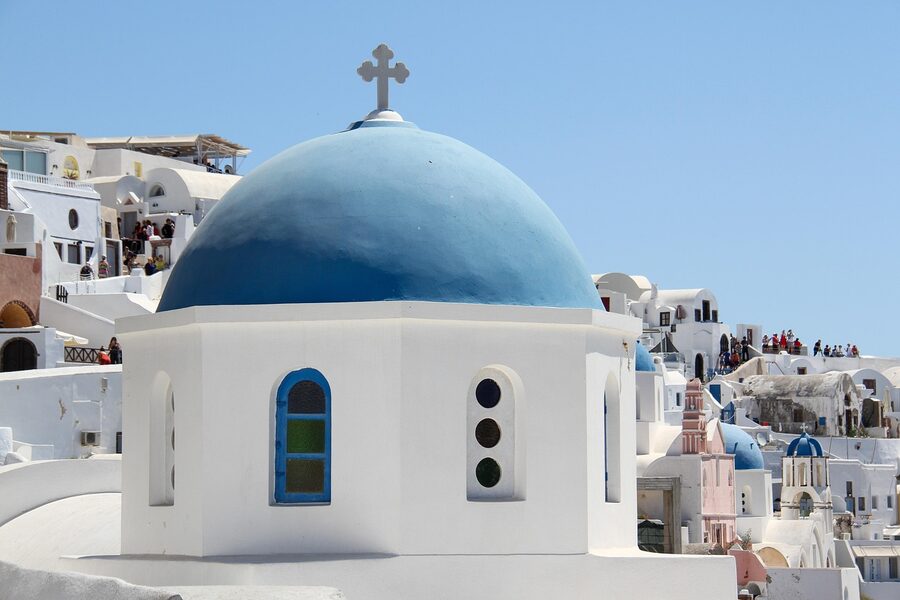
July is full European peak and full Mediterranean heat. Rome, Athens, and Lisbon hit thirty-five degrees Celsius regularly. The crowds are at their thickest in Venice, Santorini, and Barcelona. Prices are at their year-high. If you are aiming for Europe in July, two strategies work: get north (Norway, Sweden, Iceland, Scotland, the Baltics) or get rural (Tuscan hills, Provence villages, Slovenian Alps, the Pyrenees). Cities are the worst trade in July.
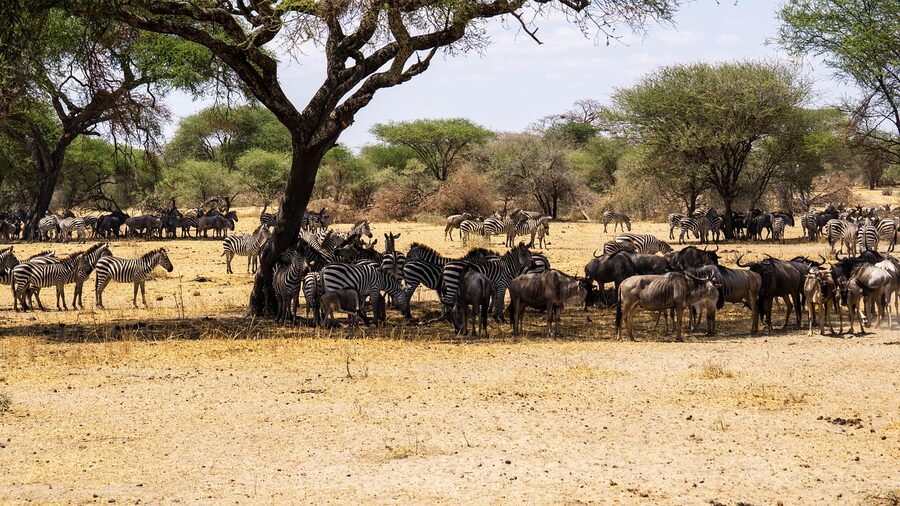
July is the best month for East African safaris, with the Mara crossing in full motion. Botswana’s Okavango Delta is at its peak too, with water from the Angolan rains finally arriving. Patagonia is in its winter low and most trails are closed; the experienced go in July only for the Torres del Paine W in mid-winter on snow gear.
August
August is the European month I would skip if I could. The cities empty out (Italians and French take their own holidays), tourist sites jam, and prices peak. If you are going anyway, the same north-or-rural rule from July still applies. The Highlands of Scotland and the Norwegian fjords in August are at their absolute best.
August is the start of monsoon season’s tail in Southeast Asia. Northern Thailand, Cambodia, and Laos start drying out by late August. Indonesia’s Bali is in its dry season, which is a strong window if you can take the prices. Japan in August is hot and humid; the festivals (Awa Odori in Tokushima, Nebuta in Aomori, Obon nationwide) are the reason to go.
Skip in August: the Caribbean. The Mediterranean coast unless you have booked months out. The American Southwest.

September
September is my favourite single travel month and probably the best month in the entire year for European trips. The first ten days are still summer warm. The crowds drop fast after the first week. By the third week, prices are back to shoulder and the light is at its most photographic. Italy, Greece, Croatia, Spain, Turkey, all of them are at their best in late September.
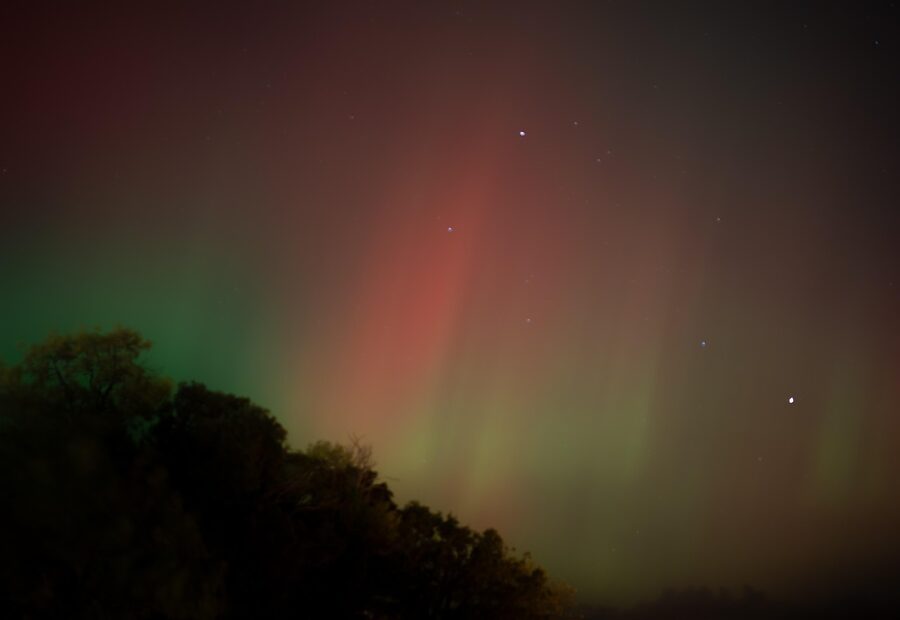
September is also when Iceland reopens to the Northern Lights. By mid-September the sky is dark enough at midnight for aurora hunting and the highland roads are still open through to early October.
Other September winners: Japan post-summer, with Kyoto and Hokkaido easing into autumn. Nepal at the start of the post-monsoon trekking window. The American Northeast as the first leaves turn. South Africa’s whales arriving along the Cape coast.

October
October is shoulder-season’s last and best month in the northern hemisphere. Mediterranean Europe is into the second half of its shoulder, Japan moves through its strongest autumn-leaf window from north to south, and the Yucatan dry season begins in earnest. By late October, Chichen Itza and the cenotes are at their cooler-and-still-dry sweet spot, before the December crowds arrive.
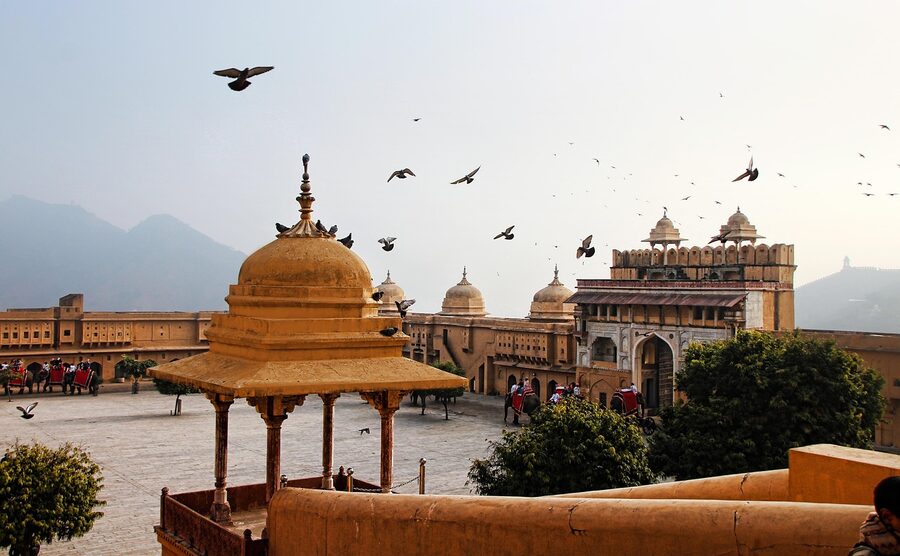
October is also a strong Indian Subcontinent window. Rajasthan opens with cooler weather and the festival season builds toward Diwali in late October or early November. Sri Lanka is in its in-between window between the two monsoons; the south coast is at its best.
Skip in October: northern Europe and Scandinavia past mid-month (cold, dark, transition weather). The American Southwest.

November
November is the start of the Southeast Asia dry season. Cambodia, Vietnam, Laos, and most of Thailand drop their humidity, the rain bands move offshore, and travel becomes consistently good. The overland Thai-Malay border crossing opens up properly, and the long traveler routes from Bangkok down through Penang and Singapore are at their easiest. In Myanmar, the dry season is starting; the boats on the Irrawaddy are running.
November is also the strong start of the Patagonia window. Days are getting long, the trails are opening, and the trekkers’ season at El Chalten and Torres del Paine is properly underway. Yucatan’s dry season in November is at its most pleasant temperatures.
Skip in November: most of Europe (cold, often wet). The Caribbean is good but starts to fill with the December crowds early.

December
December is split sharply by hemisphere. The southern hemisphere is at its summer peak: Patagonia, Cape Town, Australia, New Zealand. The northern hemisphere is at its winter low except for ski. The Caribbean is at its priciest. Christmas markets across Germany and Austria are running through to Christmas Eve and worth the trip if you are willing to pack for the cold.
December is the heaviest crowd month in Yucatan. Cancun is at full charge, Tulum is shoulder-to-shoulder, and Chichen Itza is at its busiest dawn through to closing. If you can move the dates to mid-November or mid-January, do.
December is also the strongest single month for Indian beach destinations: Goa, Kerala, the Andamans. The dry season is locked in, the temperatures are pleasant by day, and the prices have not yet jumped to peak.

What trumps the calendar
The peak-shoulder-off framework gets you most of the way. The other twenty percent is events that do not respect the calendar logic, moments where the right time to go is dictated by something more specific than weather.
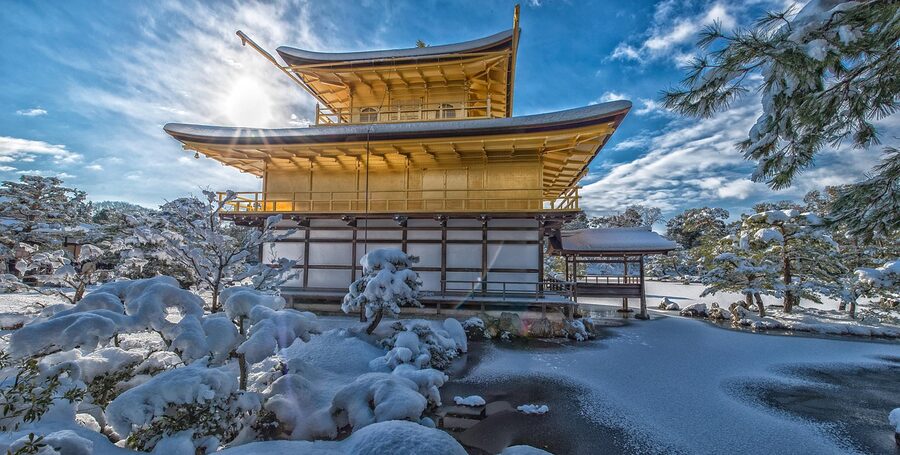
Cherry blossoms in Japan are the obvious example. The window is roughly the last week of March through the second week of April for central Japan, but the exact dates shift two weeks year-on-year and you cannot commit firmly more than ten days ahead. People still book the trip a year out and accept the gamble. The flowers are the trip; nothing else in March or April Japan replaces them.
Northern Lights work the same way. The aurora itself is statistical: you raise your odds by going in late September through March, by getting north of the sixty-fifth parallel, and by having clear skies. No agency can promise it. Iceland’s tourism industry has built itself around aurora-hunting specifically because the off-season prices and the long dark nights stack the odds in the visitor’s favour.

The wildebeest migration in East Africa is the best-known wildlife example. The herds move in a roughly clockwise circuit across the Mara-Serengeti ecosystem, peaking in different reserves at different months. July through October is the famous window for the Mara crossings; January through February is the calving season further south. Going in March or November will not give you the same trip.
Festivals are their own category. Holi in northern India in March, Diwali in October or November, Carnival in Brazil in February, Songkran in Thailand in mid-April. Some of these are reasons to go; some are reasons to delay. Songkran in particular shuts most of urban Thailand for three days. If you are not going for the water fights, push your dates to before or after.

Whale migrations along the South African Cape coast peak from June through October. The salmon runs in British Columbia in late summer. The monarch butterflies in Mexico from November through March. The cheapest flights of the year, in late January or February. Each one is a calendar event that overrides peak-shoulder-off logic, and the only thing they have in common is that you cannot move them.
The off-season case
I have come around, slowly, to the off-season case. The conventional wisdom is that off-season means worse weather and fewer things open, and most travellers should pay for peak. The conventional wisdom is half right. Off-season is harder; it is also, surprisingly often, what you wanted from the trip in the first place.
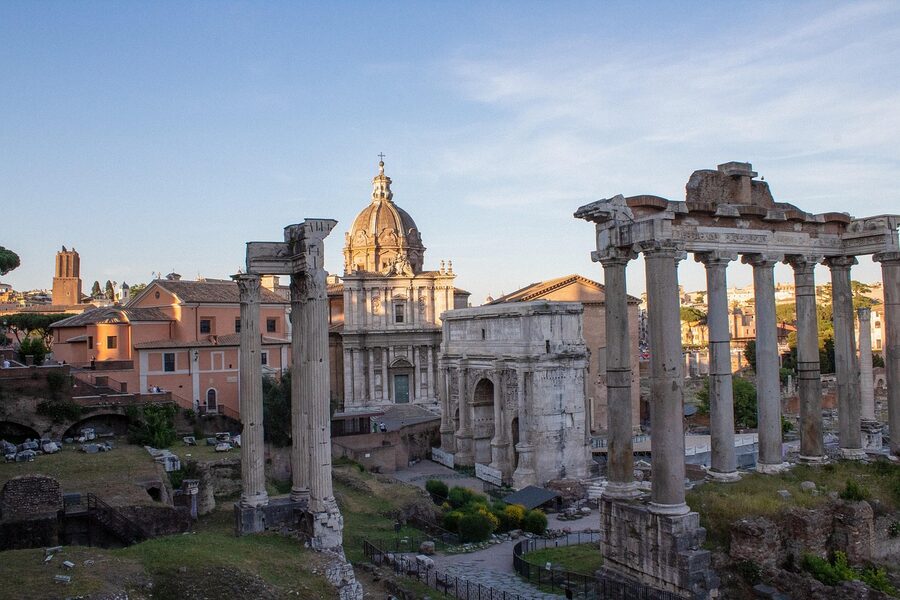
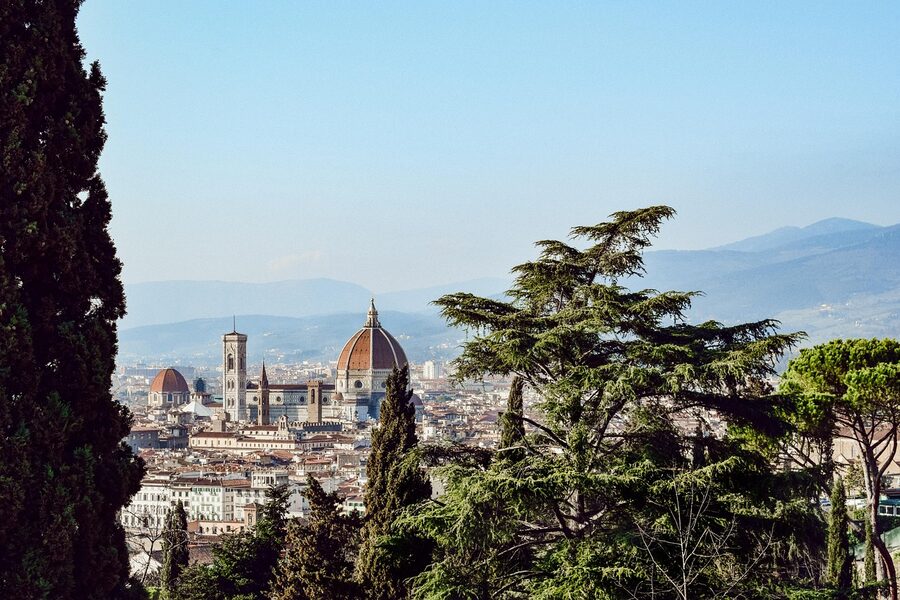
Venice in November is not the Venice of June. It is colder, often misty, and quieter. The light is different. You can stand on the Rialto Bridge at noon without negotiating around a tour group. A coffee at Caffe Florian costs the same as it does in summer but you can sit at it. People who go in November and December often come back for the rest of their lives. The same logic applies to Florence in February, Rome in late October, Marrakech in January.
Iceland in February. Patagonia in late October. Yucatan in mid-September. Each of these is a destination where the off-season trade is real. The weather is more demanding. Some operators have their reduced schedules. Some sights close earlier. In return, you get the place at half price and at a quarter of the visitor density. For a lot of trips, that trade is the better deal even if you ignore the cost saving.
Off-season fails when you have a fixed photo or a fixed itinerary in mind that depends on summer conditions. The Lofoten Islands are not the same in January as in July; they are colder, darker, and more dangerous to drive. The Inca Trail is closed for maintenance for all of February. Norway’s hut-to-hut summer trekking does not function in winter without ski mountaineering experience. The off-season is not a discount on the same product; it is a different product.

The places that work best in off-season are the ones whose appeal does not depend on outdoor weather: cities, museums, food cultures, religious sites. Rome in February still has the Colosseum, the Forum, the Vatican, and the markets of Testaccio. The Vatican Museum in February has lines that take ten minutes; in July the same line is two hours. If your trip is mostly indoors, off-season is the wrong word for what you are doing. You are just travelling smarter.
How to pick your window
This is where most guides stop. They list the seasons, list the months, and leave you to do the matching. The matching is the hard part, so here is a checklist I run for every trip.
Start with what is fixed. If you have school-age children locked into July and August, accept the trade. Pick destinations that work in July (Norway, Iceland, Scotland, Slovenia, the Pyrenees, the American Northeast, Hokkaido) instead of fighting destinations that do not. If you are tied to a specific Christmas window, look at southern hemisphere summer or Caribbean shoulder. Trying to retro-fit a destination onto the wrong window is the most common trip-planning mistake.
Then decide on crowds. Rate yourself accurately on a five-point scale from “I will queue for the experience” to “if there are crowds I will leave”. Most travellers underrate their crowd intolerance. If you score above three, you are a shoulder or off-season traveller. Stop pricing peak and look at September, October, March, April, November.
Then decide on weather. Are you going for outdoor activities (trekking, beaches, photography of specific landscapes) or indoor (cities, food, museums, festivals)? Outdoor trips need peak or strong shoulder. Indoor trips relax the requirement. A cold Rome week in February is, for an indoor traveller, often the best Rome trip of their life.
Then look at money. If you are flexible on dates and willing to accept a fifteen percent reduction in best weather, you save twenty to forty percent on most peak destinations by moving to the closest shoulder week. The flight cost saving alone often funds two extra travel days. Most travellers who go in peak are paying for their inflexibility, not for a better trip.
Finally, ask whether you have a fixed-date constraint that overrides everything. Cherry blossoms, Carnival, the Mara migration, the salmon run, the migration peak. If you are going for one of those, the calendar is locked. Build the rest of the trip around it.
If you cannot decide between two windows, run this rule: pick the later one. Almost every shoulder window improves as you move toward it from peak; almost every peak window worsens as you move toward it. October is better than September is better than August. April is better than March is better than February. The exceptions exist (December for southern-hemisphere summer) but the rule holds for most northern destinations.
If you still cannot decide, a tailor-made tour is one strategy: a planner who builds the dates around your constraints rather than around their fixed-departure schedule, and who has the local relationships to find the off-peak windows that still work.
Quick rules of thumb
One-line summaries from ten years of getting this wrong and right.
- If you can move dates by two weeks, you can usually save thirty percent.
- For Europe, late September is the best week of the year for most travellers most of the time.
- For Southeast Asia, late November through early March is the dry-season pocket worth the price.
- For Patagonia, the trail you came for is open from November through March and not before or after.
- For Iceland, July is for landscape, October through March is for aurora; you cannot have both.
- For the Yucatan, November and early December are the best window before the price jump.
- For Japan, mid-October through early December for autumn leaves; late March through early April for cherry blossoms; everything else is secondary.
- For East Africa, follow the migration: January and February in the south, July through October in the north.
- For India, late October through March for most of the country; late June through August for the high Himalaya.
- If a destination has been on your list for a decade, picking the right month does not justify a fifteenth year of waiting; book the next reasonable window.
The calendar is the part of trip planning where flexibility pays the most. If you have any flexibility at all, use it on dates first, destination second. The destination will be there next year. The right window for it might not.
