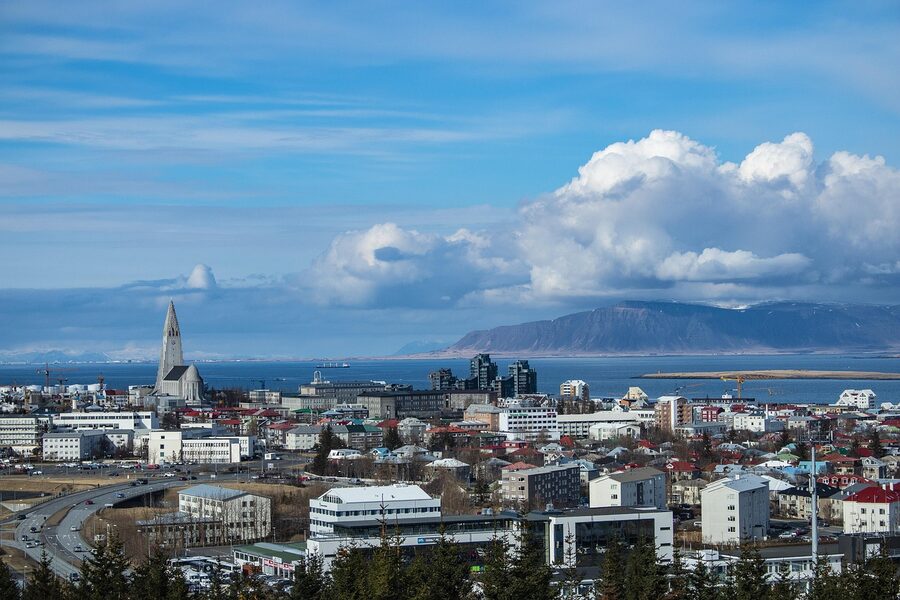
Reykjavik is much smaller than people expect. The whole walkable centre measures about a kilometre and a half east to west and barely a kilometre north to south. You can walk from Hallgrimskirkja, the big church everyone photographs, to the harbour where the whale-watching boats leave in fifteen minutes at a normal pace, less if you are cold. The first thing the city does to most visitors is shrink. The maps make Reykjavik look bigger than it is.
This guide is the orientation version. Below: the five neighbourhoods you will actually walk through, where each landmark sits on the map, where to base yourself, two suggested walks (the 24-hour version and the slower 48-hour version), what departs from where for day trips, and the part most first-time visitors do not realise: what is and what is not actually in Reykjavik.

In This Article
- Reykjavik in one paragraph
- The five neighbourhoods you will actually walk through
- The landmarks you came to see
- Where to base yourself
- The Reykjavik 24-hour walk
- The Reykjavik 48-hour walk
- Reykjavik food in three meals
- Day-trip departures
- What is NOT in Reykjavik
- Best time to be in the city
- Maps to pick up before you arrive
- What Reykjavik costs in 2026
- Practical small things
- The verdict
Reykjavik in one paragraph
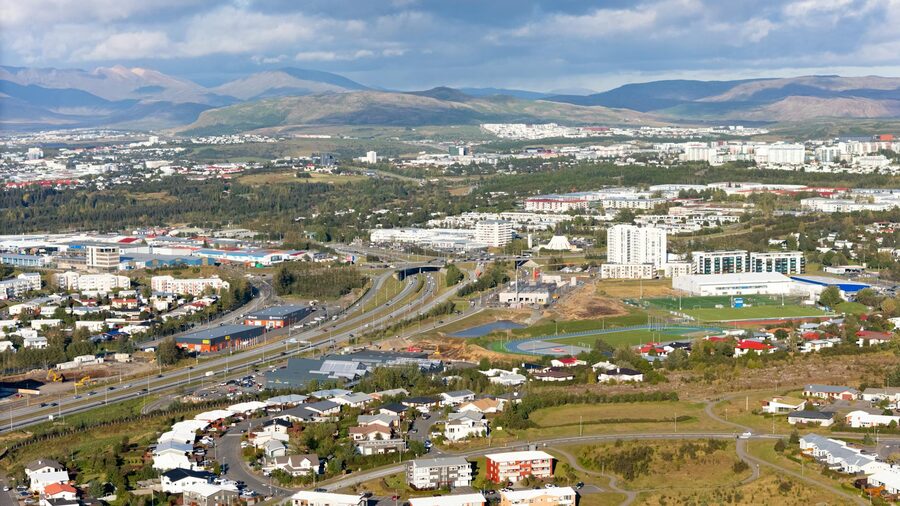
Iceland’s capital sits on a peninsula on the south-west coast, about fifty kilometres from Keflavik International Airport. The greater city covers around 270 square kilometres but most of that is residential suburb and industrial harbour land. The compact downtown core, where every visitor spends their time, fits inside a square roughly two kilometres on a side. Around 140,000 people live in the city; closer to 240,000 in the metro region, which is more than half of Iceland’s total population. Everything is walkable, the streets are flat or gently uphill, and the only weather that genuinely complicates the walk is a horizontal-rain afternoon in November.
The five neighbourhoods you will actually walk through
Postal codes are how the city actually divides itself, and the names you will hear are the four-digit codes plus a handful of nicknames. The five areas matter:
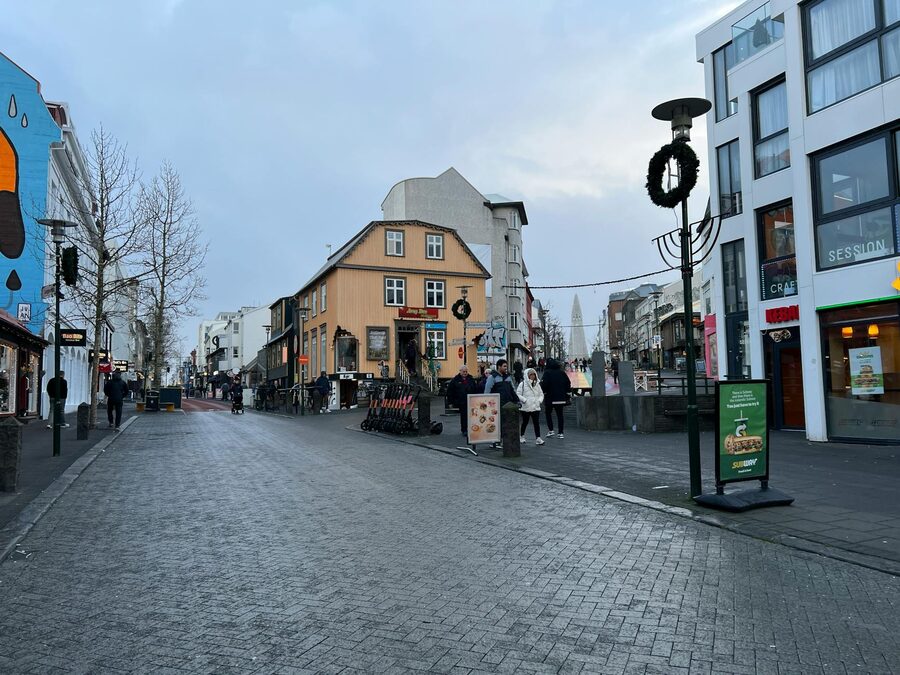
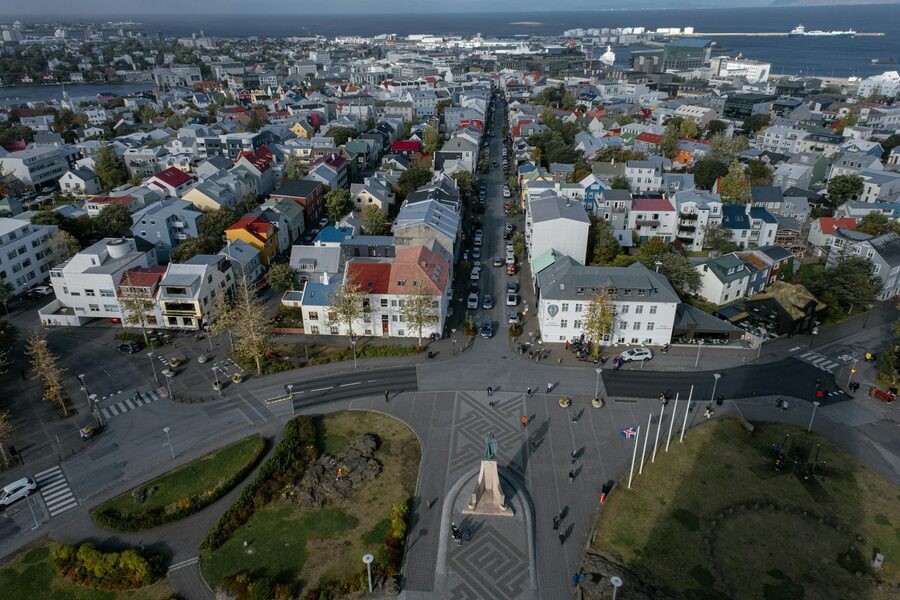
101 Reykjavik is the historic core: the area inside roughly Hverfisgata to the north, Tjornin pond to the south, the harbour to the west, and Snorrabraut to the east. This is where you will sleep, eat, drink, and walk most of your trip. Laugavegur, the main shopping street, runs through it east to west, and Skolavordustigur, the colour-block-painted gallery street, leads up to Hallgrimskirkja from the centre. Most of the museums, hotels, restaurants, and bars are inside 101.
Vesturbær (postcode 107) is just west of the centre and feels like a residential extension of 101. The Vesturbæjarlaug thermal pool is the locals’ choice over the more touristed Laugardalslaug, which is on the other side of town. The university (University of Iceland) anchors the south side. Vesturbær is a good place to stay if you want to be five minutes from the centre but with a quieter street outside your window.
Hlemmur and the central spine is the area along Hlemmur Square just east of 101 proper, where most of the city buses converge. It is gradually becoming the second food district of the city; Hlemmur Mathöll (food hall) is the indoor anchor and several of the better mid-range restaurants and bakeries are within two streets of it. This is the area where you will probably catch buses to and from anywhere.
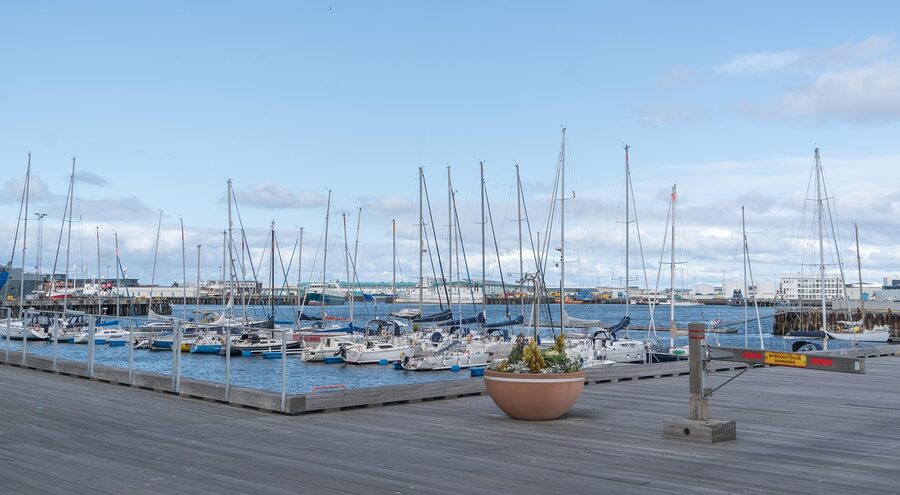
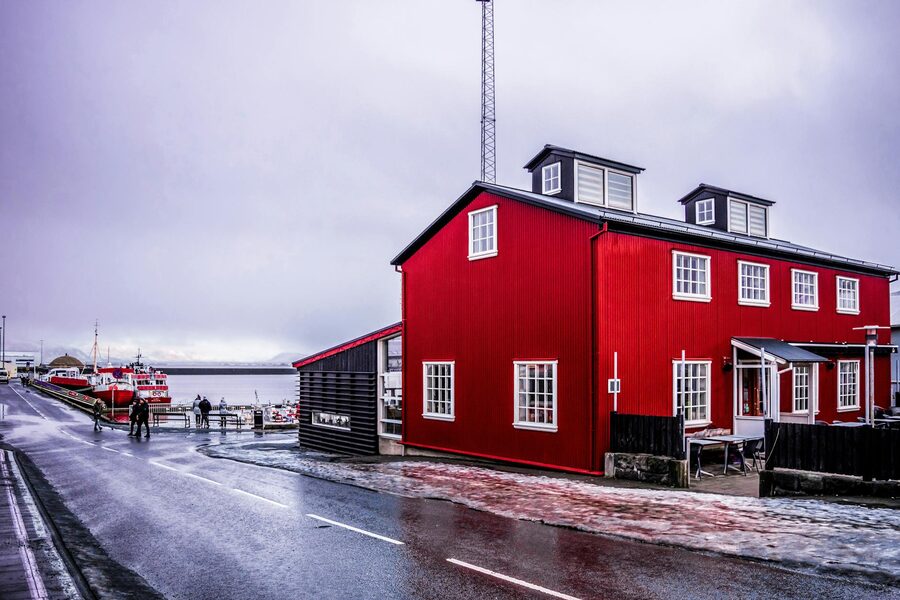
The Old Harbour and Grandi sits on the north side of 101, walking distance from the centre but with a different character. The whale-watching and Northern Lights tour boats leave from here, and the Grandi peninsula a kilometre further out has the Marshall House art space, the FlyOver Iceland attraction, and a cluster of fish restaurants in re-purposed warehouse buildings. A pleasant walk on a clear day; bring a windproof for the crossing.
Laugardalur (postcode 104, east of the centre) is the city’s sports-and-pool district. The Laugardalslaug pool is the largest in the city, the Botanical Garden is small but pretty, and the Family Park sits next door. This is the bus ride out, not the walk; about ten minutes by bus from Hlemmur.
Outside these five areas, Reykjavik continues for several more postcodes (108, 109, 110, 111, 112, 113, 200), but you will probably not need to know them unless you are renting a flat or have a specific museum to visit. The visitor-relevant city is, genuinely, the five areas above.
The landmarks you came to see
Where each major landmark sits on the map of central Reykjavik:
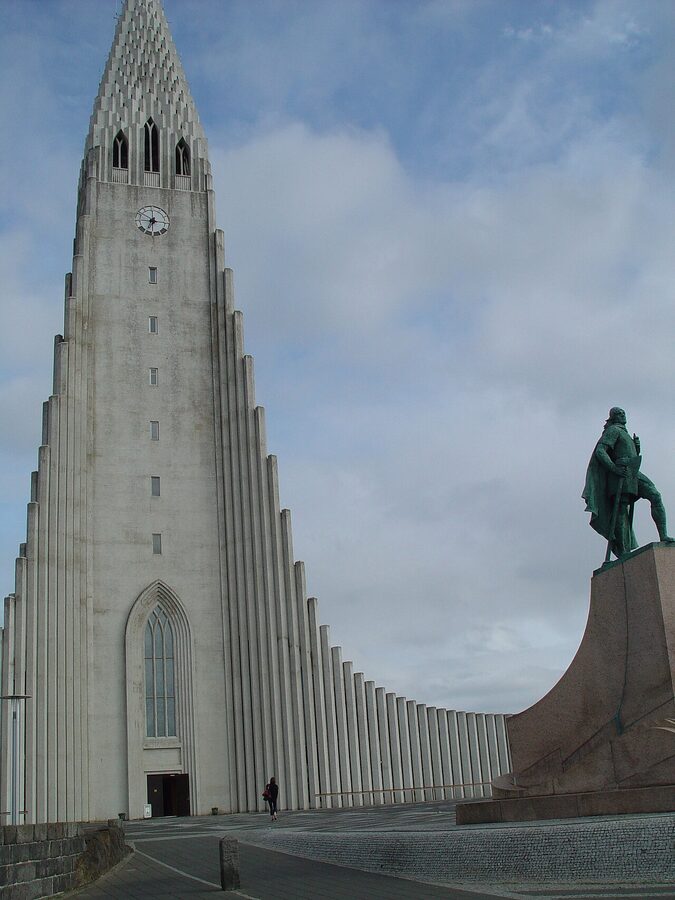
Hallgrimskirkja (the big concrete church). At the top of Skolavordustigur, the centre of 101 Reykjavik. The tower is open most days; the lift up is around 1,500 ISK (around eleven US dollars) and the view from the top is the easiest way to understand the city’s layout in five minutes. Walk-up time from anywhere in the centre is under fifteen minutes.
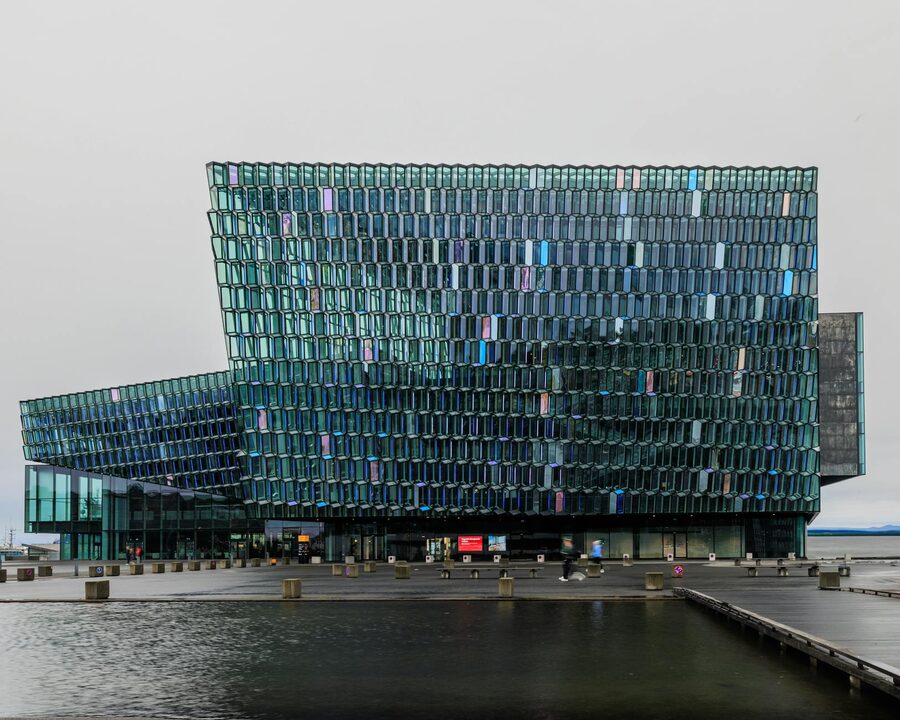
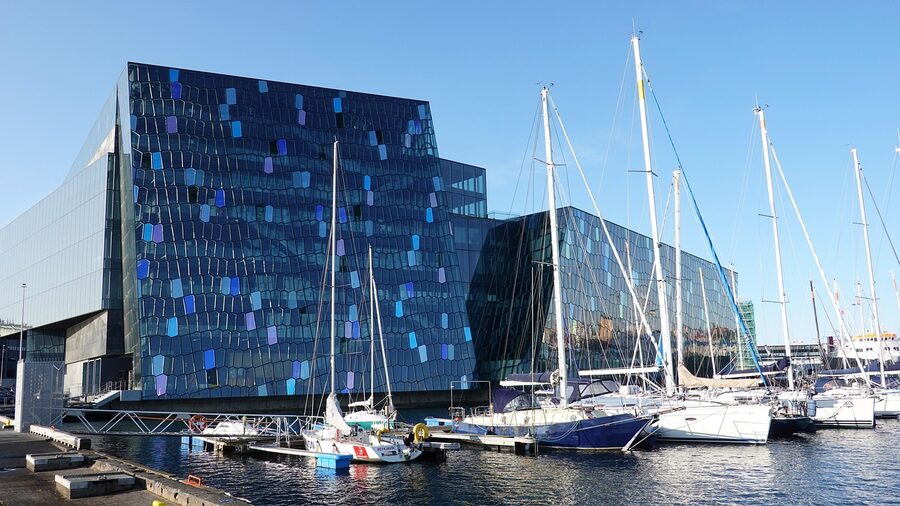
Harpa Concert Hall. On the harbour, ten minutes’ walk from Hallgrimskirkja straight downhill. The glass-honeycomb facade is one of the city’s best architectural sights; the inside is open to the public most days for free. Concerts are well worth it if anything is on.
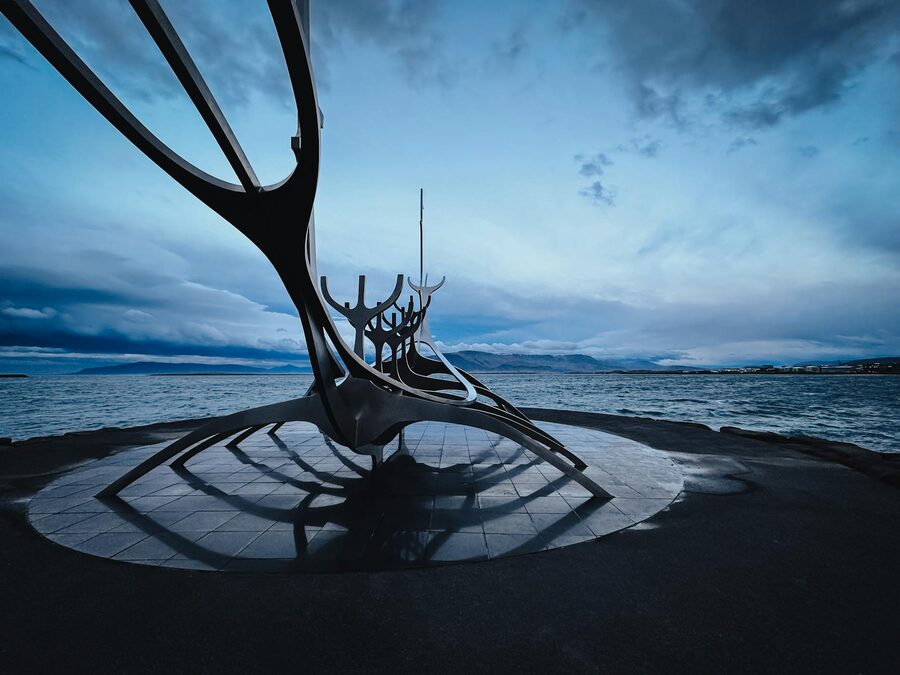
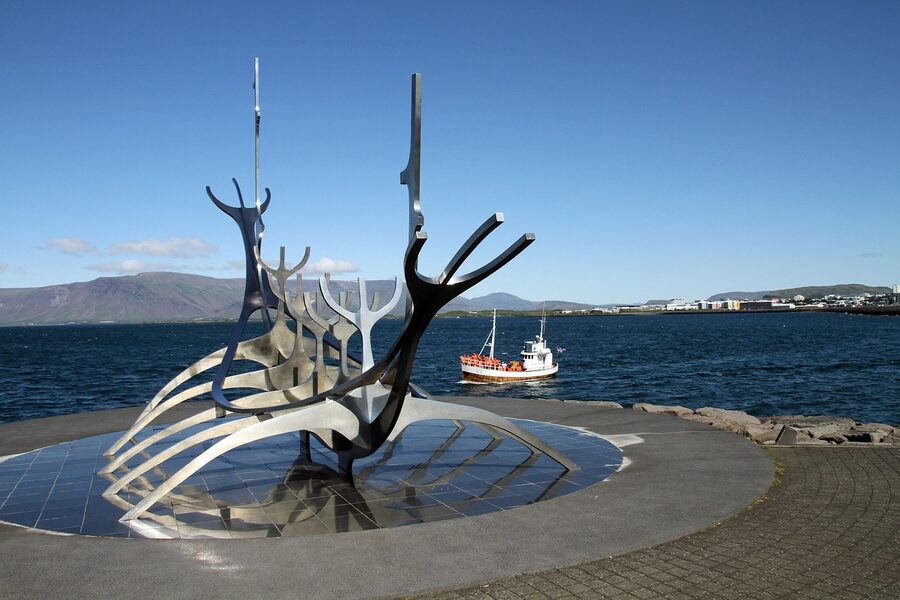
Sun Voyager. Five minutes east of Harpa along the seafront promenade. A small steel sculpture that looks like a Viking longboat in skeleton form. Sunset is the photogenic moment.
Tjornin (the Pond). Just south of Reykjavik City Hall, between the Parliament building and the National Museum. Free public ducks. In a hard winter the pond freezes solid enough to ice-skate on (ask the City Hall office whether it is currently safe; the locals do not).
Reykjavik Cathedral and Parliament. Both small, both on the south side of the centre. Worth a five-minute pass-through rather than a dedicated visit unless you have an interest.
Volcano House and Saga Museum. Small, both worth a visit if the weather has driven you indoors. The Volcano House is in the Old Harbour area; the Saga Museum is on the Grandi peninsula.
Hofdi House. The 1986 Reagan-Gorbachev summit building, a fifteen-minute walk east of the centre along the seafront. Not open to the public, but the small lawn around it is the actual site, and the seafront walk to reach it is one of the best in the city on a clear afternoon.
Perlan Museum. The dome-shaped museum on Oskjuhlid hill, fifteen minutes by bus from the centre or a forty-five-minute uphill walk through woods. Iceland-themed natural-history displays, an ice cave you can walk through, and a 360-degree viewing platform at the top. One of the city’s better paid attractions if it is the kind of weather where indoor activities make sense.
Where to base yourself
The simple answer for most visitors is “anywhere in 101 Reykjavik”. The whole core is walkable, hotel quality is broadly consistent at each price point, and the difference between staying on Laugavegur versus three streets uphill versus the harbour is fifteen minutes of walking that you will probably do anyway.
The properties I would actually recommend, with current Booking.com pricing in shoulder season:
Upscale on the Laugavegur strip:
- Canopy by Hilton Reykjavik City Centre (4-star, 300m off Laugavegur near Harpa, 9.2 / 10, around USD 280–310). Scandinavian-design rooms across six restored buildings. The most reliable upscale brand for first-time visitors.
- Alda Hotel Reykjavik (4-star, Laugavegur 66, 8.8 / 10, around USD 270–310). On the shopping street itself, with an outdoor hot tub for late aurora-watching nights.
- Sand Hotel (Laugavegur, mid-strip). Built on top of the Sandholt bakery (operating since 1920); the smell of cinnamon rolls comes up the stairwell in the morning.
Mid-range and boutique:
- Reykjavik Residence Apartment Hotel (4-star, on Laugavegur, 9.3 / 10, around USD 160–200). The pick if you want a kitchenette to make breakfast yourself.
- Center Hotels Laugavegur (4-star, Laugavegur 95–99, 8.7 / 10, around USD 110–140). The reliable mid-range option in the heart of the strip.
- Hotel Fron (3-star, Laugavegur 22A, 8.4 / 10, around USD 110–140). Cheaper than Center Hotels, slightly more central.
- Hotel Reykjavik Saga (Tjornin lake area, opened 2022). Newer build with a roof terrace and a quieter setting two minutes off the main strip.
- Kvosin Downtown Hotel (Tjornin area). Self-catering apartment-style; the choice for groups up to six.
Old Harbour and Vesturbær (ten minutes’ walk to the centre):
- Exeter Hotel (4-star, Old Harbour, 8.9 / 10, around USD 130–170). Faxafloi Bay views, sauna and gym; cheaper than central options for a similar room.
- Black Pearl Hotel (Tryggvagata, harbour). Apartment-style suites with full kitchens; close to the whale-watching docks.
Budget:
- Dalur Hi Eco Hostel (around USD 40). The reliable hostel pick. Further from the centre than the boutique options but inexpensive for the city.
I would not stay further out than these unless you are renting a flat for several weeks, in which case Vesturbær or Hlemmur are the best of the longer-stay neighbourhoods.
The Reykjavik 24-hour walk
If you have one full day in the city, this is the route I run friends through. Start from any 101 hotel.
9:00. Coffee on Laugavegur. Reykjavik Roasters, Te og Kaffi, or Sandholt for the best bakery in the city. Allow forty minutes; the coffee is excellent and you are not in a hurry.
10:00. Up Skolavordustigur to Hallgrimskirkja. Twenty minutes including stops to look at the gallery windows. Take the tower lift up. The view shows you the layout of the city you will spend the rest of the day walking.
11:00. Walk down Skolavordustigur back through 101 toward the harbour. Ten to fifteen minutes. Stop at Loki Cafe (small, good-quality Icelandic-traditional) or Reykjavik Roasters for a second coffee if you missed the first.
12:00. The harbour. Lunch at Saegreifinn (the Sea Baron, famous for the lobster soup) or Bæjarins Beztu Pylsur (the hot-dog stand worth its reputation, two minutes east of the harbour). Eat outside if the wind is reasonable. Both are cheap by Reykjavik standards.
13:00. Whale-watching boat from the Old Harbour, or the FlyOver Iceland attraction on Grandi if the weather is bad. The whale-watching tour runs around three hours and costs roughly 110 US dollars; FlyOver is fifty minutes and costs around forty.
17:00. Walk back through the Marshall House art space if you took the FlyOver option, or back along the Sun Voyager promenade if you did the boat. Either route brings you back to Harpa Concert Hall in twenty minutes.
18:00. Drink at Slippbarinn (in Hotel Marina, Old Harbour) or at one of the bars around Austurvollur. Reykjavik’s craft beer scene is good and the cocktail bars are surprisingly excellent for the city’s size.
20:00. Dinner. Mat & Drykkur (modern Icelandic, quieter), Grillmarkadurinn (more upscale, set menu), or Reykjavik Fish (mid-range, no booking, you eat what they brought in this morning). Iceland is expensive; budget around 70-100 US dollars per person for a sit-down dinner.
22:00 onwards. Late-night Reykjavik is small but well-loved. Kex Hostel bar, Kaffibarinn, Lebowski Bar. Most close at one in the morning during the week and three on weekends. In summer, the sky is still light at midnight; this is the strange and beautiful version of the city.
The Reykjavik 48-hour walk
If you have a second day, the additions worth making to the 24-hour route:
Morning: Tjornin and the museums. Coffee, walk down through 101 to the City Hall and the pond. The National Museum of Iceland is fifteen minutes south of Tjornin and is genuinely excellent for the country’s full history; allow ninety minutes. Either pair it with the Settlement Exhibition (smaller, downtown) or with Perlan if you have appetite for two museums.
Afternoon: Vesturbæjarlaug. The locals’ thermal pool. Fifteen-minute walk from the centre. Bring swimwear and a towel; the entrance fee is about eight US dollars. This is the version of Iceland that the Blue Lagoon does not give you, and it is the better one for getting a sense of how the country actually uses its hot water.
Evening: a different end of town. Eat in Hlemmur Mathöll (the food hall) for variety, or take a bus to Laugardalur for the longer view. The walk back at night through the lit streets of 101 is one of the better experiences the city offers.
Reykjavik food in three meals
Reykjavik is expensive but the food is good and the city has a clearer culinary identity than people expect. Three meals worth knowing about:
Breakfast. Sandholt on Laugavegur is the best bakery in the city; the cinnamon rolls and the rye bread come out of an oven that has been running on the same recipe since 1920. Coffee at Reykjavik Roasters or Te og Kaffi. Around fifteen to twenty US dollars all-in for breakfast for one. Skip hotel breakfasts; the food at Sandholt is better and the price is similar.
Lunch. The two genuinely Icelandic options worth seeking out: the lobster soup at Saegreifinn (the Sea Baron) on the Old Harbour, and the lamb hot dog at Bæjarins Beztu Pylsur, the small stand near the harbour that has been there since 1937 and once fed Bill Clinton (he asked for ketchup, which the locals consider a small national tragedy). Both are under fifteen US dollars.
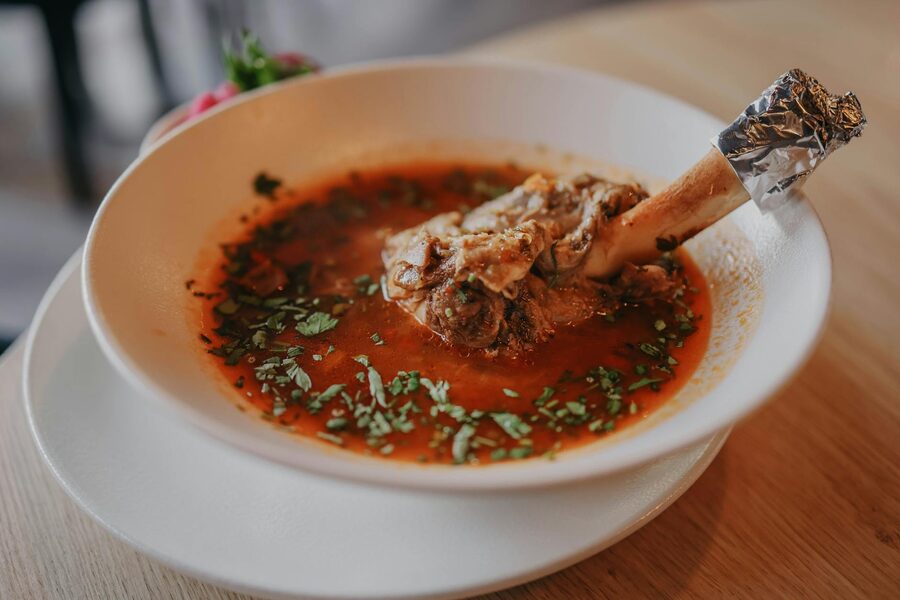
Dinner. Three real tiers. Mat & Drykkur for modern Icelandic at the high end (around 100 US dollars per person). Reykjavik Fish for a no-bookings, what-came-in-this-morning fish-and-chips experience for around forty. Hlemmur Mathöll (the food hall east of 101) for variety with one stall doing genuinely good lamb stew (Skál!) and another doing serious Vietnamese pho (Mama Reykjavik). Dinner there can run from twenty to forty depending on what you order.
The Icelandic dishes worth ordering at least once: kjötsúpa (lamb soup, the country’s national winter dish), plokkfiskur (mashed-fish-and-potato comfort food), skyr (the yogurt-cheese hybrid that Iceland has eaten since the Vikings), hangikjöt (smoked lamb, mostly a Christmas dish but available all year). The dishes that feature in tourist conversations but you do not need to try: hákarl (fermented shark), svið (boiled sheep’s head). Both are real cultural foods. Both taste exactly as challenging as they sound.
Day-trip departures
Most visitors to Reykjavik also take at least one day trip out. The standard departures all leave from the same general area in the city:
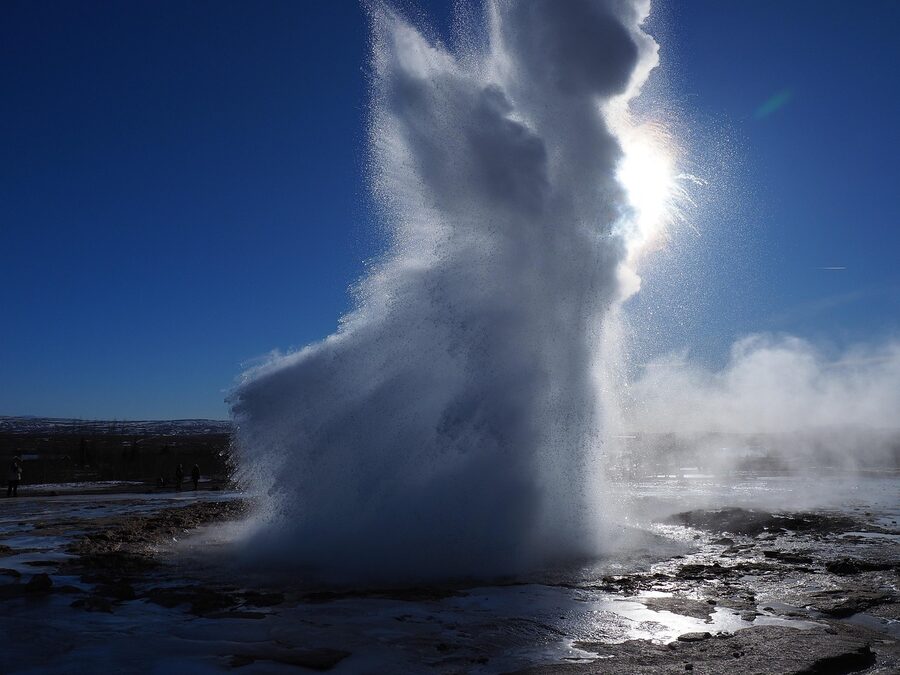
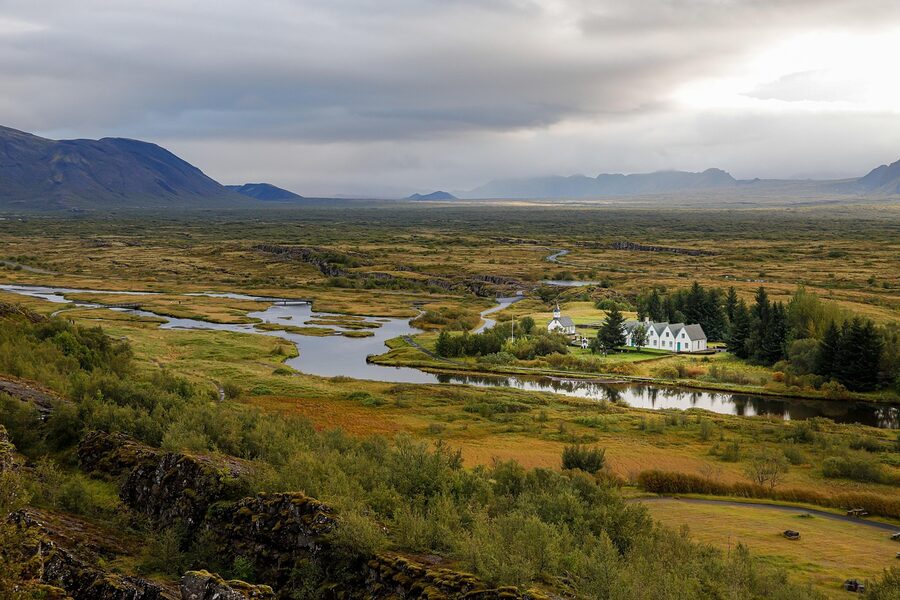
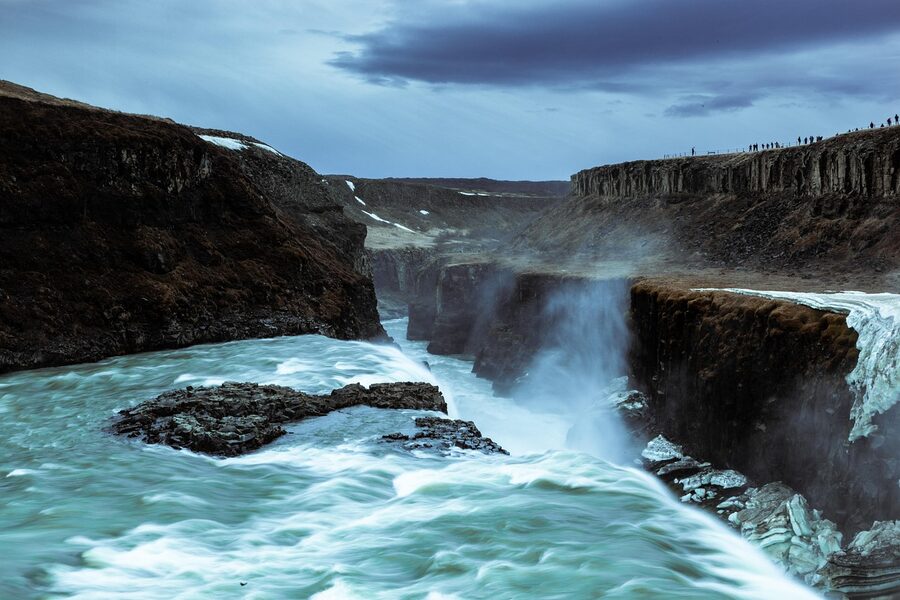
Golden Circle (Þingvellir, Geysir, Gullfoss). Around 70-80 US dollars per person, nine hours, leaves from BSI bus terminal or various central pickup points around 09:00.
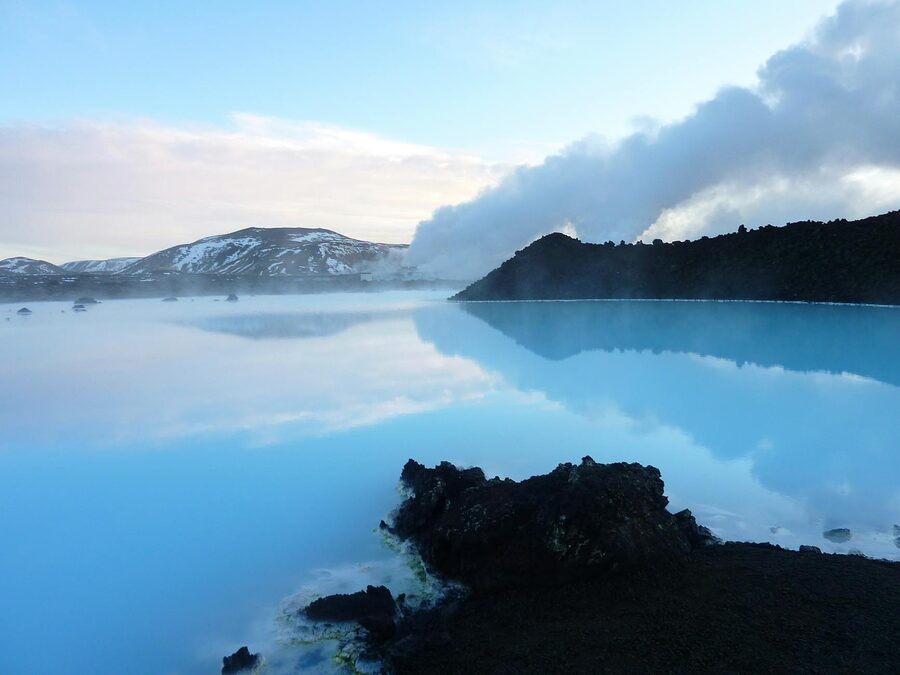
Blue Lagoon. Forty minutes from Reykjavik, but most travellers stop on the way to or from Keflavik airport rather than make a separate trip.
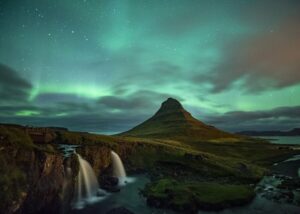
Northern Lights tour. Six to eight hours overnight, departure usually around 21:00 from the same central pickup points. Around 90-110 US dollars. Worth it from late September through to mid-March; useless outside that window. The probability framework, KP-index thresholds, and multi-night strategy are unpacked in the dedicated aurora hunting guide.
South Coast tour (Skogafoss, Reynisfjara, Vik). Eleven to twelve hours, around 100 US dollars. The fuller version of the day-out experience.
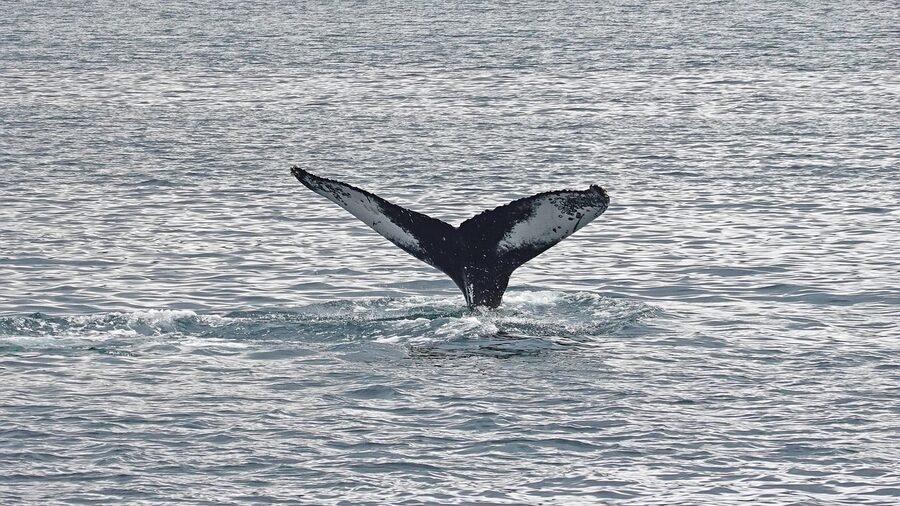
Whale watching. From the Old Harbour, three hours, no transfer needed. April through October.
Tour pickup is usually a designated set of “bus stop A” through “bus stop M” stops scattered through the city centre. When you book, the operator tells you which stop is yours; in practice the bus drives a circuit around the centre picking everyone up over an hour, so the actual departure from the city limit is never quite when the brochure said.
What is NOT in Reykjavik
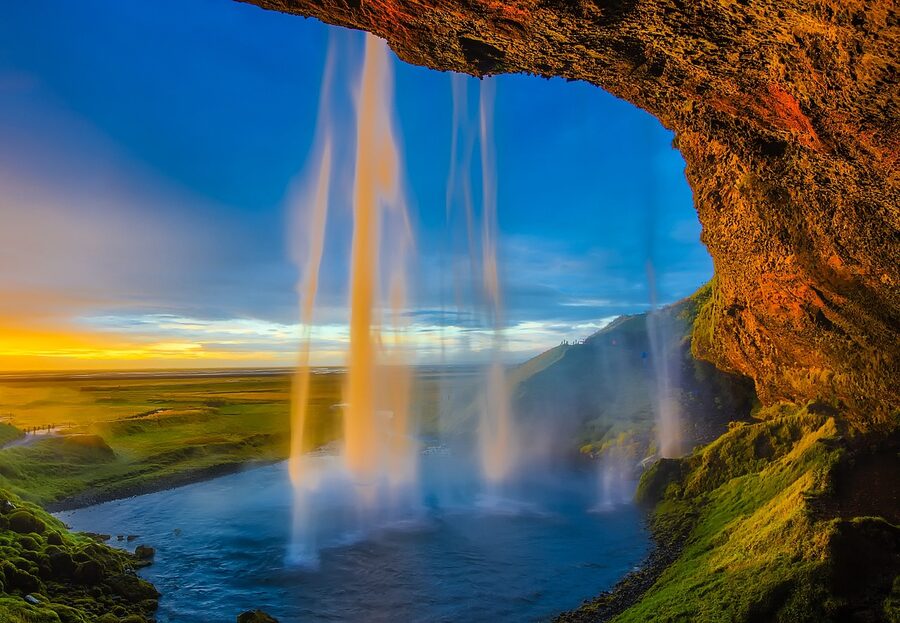
This is the part most first-time visitors find confusing. Reykjavik is the only big city in Iceland and the only place a lot of tour brochures show. From the brochures you would think the glaciers, the geysers, the active volcanoes, and the dramatic landscapes are within walking distance.
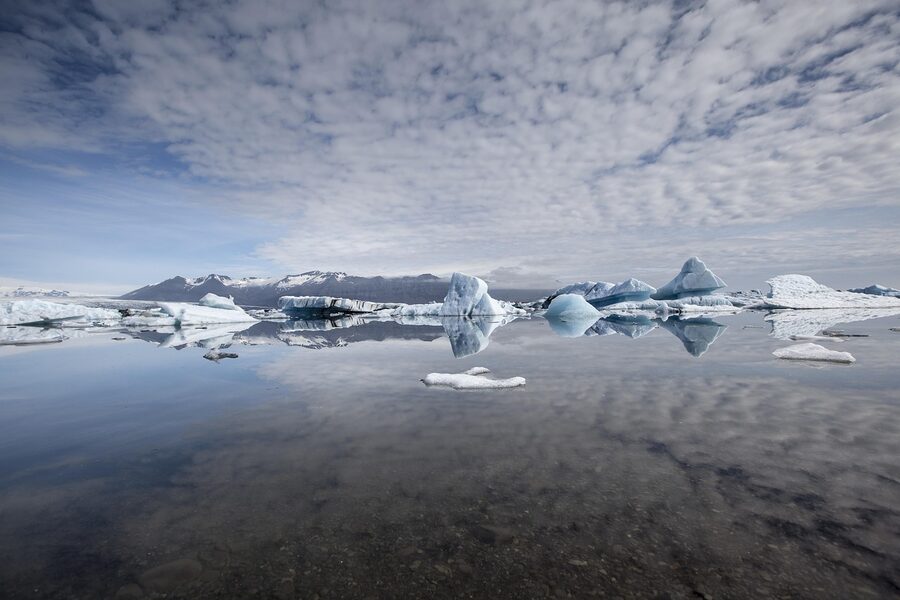
They are not. Iceland’s well-known natural features are mostly an hour or more’s drive out of the capital. The Golden Circle is ninety minutes east. Skogafoss and Reynisfjara are two and a half hours south-east. The South Coast glacier lagoon (Jokulsarlon) is closer to five hours. The Highlands and Landmannalaugar are six. Some of the country’s best-known places (the Westfjords, the Eastfjords, the north’s whale-watching towns) are full-day or two-day drives away. The Blue Lagoon is closer (forty minutes) but on the airport side, away from the city.
None of this is a reason to skip Reykjavik; it is the reason to be clear about what your trip actually is. If you are flying into Reykjavik for three days, you are spending one day in the city and two on day trips. If you are flying into Reykjavik for a week, you are spending two or three days in the city and the rest with a rental car circling some part of the country. The calendar logic for which version of Iceland you can do is in the wider when to travel guide.
Best time to be in the city
Reykjavik runs on two distinct calendars: tourist season and Northern Lights season.
Tourist season peaks from late June through mid-August. Days run from about four in the morning to past midnight. The city is busy, hotel prices double from shoulder rates, and most tour-bus traffic is at its heaviest. Weather is at its most reliable: mid-teens Celsius on a good day, sun and cloud trading places. The country is at its most accessible; the highland roads open from late June.
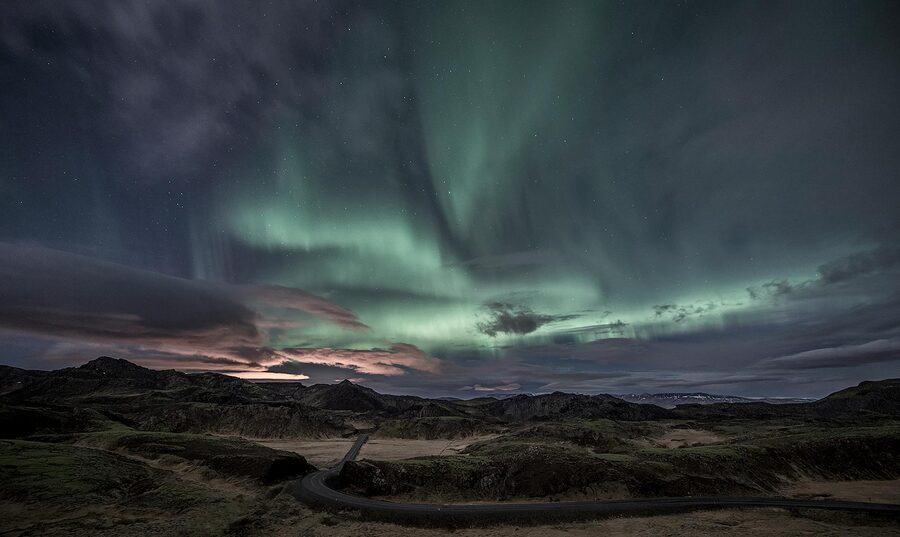
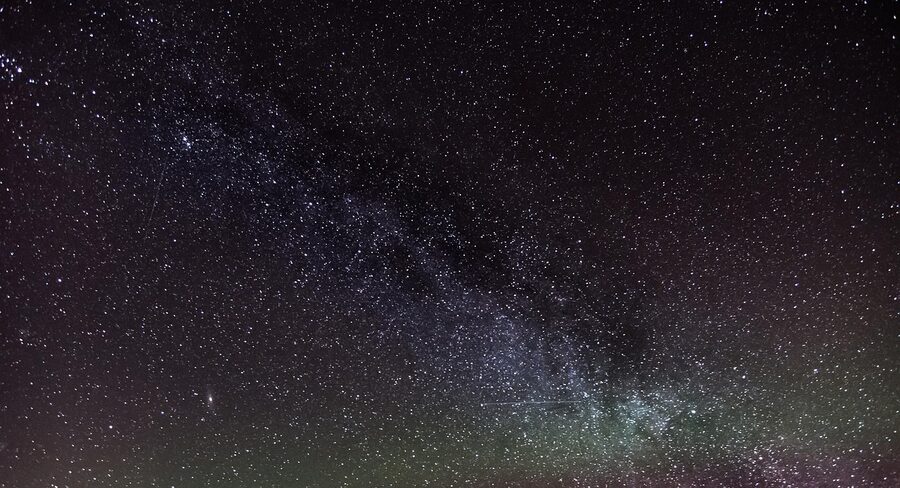
Northern Lights season runs from late September through mid-March. Aurora displays are statistical; you raise your odds with dark skies and clear weather, both of which Iceland has plenty of in winter. Hotel prices drop, the city is much quieter, and the version of Reykjavik you experience is the locals’ version. Weather is harder: mid-winter cold, short days (four hours of light at the December solstice), occasional snowstorms. The trade is real and worth it for a lot of trips. The full aurora hunting guide covers the chase strategy.
Shoulder windows in May and September are the best of both: still long-day light, fewer tour buses, hotel prices in the middle, and the country opening up (May) or starting to slow down (September). Late September specifically sees the first aurora returns of the year while the highland roads are still open.
Maps to pick up before you arrive
Three maps worth knowing:
The free city map from the visitor information office at City Hall (or any hotel reception). Paper, fold-out, around A3 unfolded. Has the major sights and the bus stops marked. Good enough for the first day.
OpenStreetMap or Maps.me on your phone, downloaded for offline use before you fly. Iceland’s mobile coverage is good in Reykjavik and on most of the ring road, but the highlands and many side roads have no signal. Maps.me is free and lets you mark waypoints.
Google Maps works fine in the city and is fine for routing, but its data on smaller side roads in rural Iceland is unreliable. Use it in the city, fall back to Maps.me on country roads.
For the more serious driver, the official Vegagerðin road authority site (road.is in English) shows real-time road conditions, weather warnings, and closures. This is the site you check the night before any out-of-city day trip.
What Reykjavik costs in 2026
Iceland is among the most expensive countries in Europe and Reykjavik is its most expensive city. Rough budget guidance for two people:
| Travel style | Per couple per day (USD) | What that buys |
|---|---|---|
| Budget | $180–260 | Hostel-private or budget hotel, food-hall meals, walking, no day-trips |
| Mid-range | $340–480 | Three- or four-star hotel in 101, mix of food-hall and sit-down meals, one day-trip per day |
| Comfort | $600–900+ | Boutique hotel in 101, full restaurant meals, private day-trip with driver |
The single biggest variable is alcohol. A pint of beer in a Reykjavik bar runs around twelve to fifteen US dollars, and a cocktail is closer to twenty. The beer-and-spirits monopoly (Vinbúðin, the state liquor store) is meaningfully cheaper than bar prices and worth a stop if you are self-catering.
Save money on: the Blue Lagoon (the public Vesturbæjarlaug pool gives you the same hot-water experience for under ten dollars instead of seventy). Bottled water (the tap is excellent). Hotel breakfasts (Sandholt is better and similar price). Souvenir wool jumpers from the airport (the Handknitting Association on Skolavordustigur sells the genuine Lopapeysa for similar money).
Splurge on: the food, the day trips, and (in winter) the Northern Lights tour with a small operator rather than the cheapest fifty-passenger bus. The bigger tours hunt the same sky but the smaller ones can move faster when the cloud breaks.
Practical small things
Five things first-time visitors usually need to find out the hard way:
Tap water is excellent. Drink it straight from any cold tap. Buying bottled water is one of the more expensive mistakes of a Reykjavik trip.
Card pays for everything. You do not need cash. ATMs exist if you really want some (Landsbankinn, Arion banki, Islandsbanki) but I have not used cash in Iceland in years.
The hot water smells. Iceland’s hot water comes straight out of geothermal sources. The mild sulphur smell when you first turn on the shower is not the plumbing; it is the geology. The cold tap water has none of it. Once you are used to it, it is a memory rather than a complaint.
Pools require a shower without swimwear. Iceland’s public-pool culture takes hygiene seriously and you are required to shower naked before entering the pool. The locker rooms are gendered and matter-of-fact; everybody does it. If this is unfamiliar, the Vesturbæjarlaug is a friendlier introduction than the more touristed Laugardalslaug.
The wind is the weather. Reykjavik’s temperature in winter is rarely brutal (-2 to +2 Celsius typical). The wind is what makes a coat decision matter. A windproof shell beats a thicker non-windproof coat every time.
If you would rather have an Iceland trip built for you with these details handled rather than figured out, a tailor-made tour is one of the easier ways to do Iceland in particular, where the country’s logistics (rental cars, weather windows, F-road permits) are more demanding than most other European destinations.
The verdict
Reykjavik on a map is small, walkable, and easier to understand than its tourism brochures make it look. Spend a day in the city, do the church, the harbour, the pond, the food hall. Sleep in 101 if you can. Take the long evening light or the dark winter aurora skies depending on which trip you came for. The country is the longer story; Reykjavik is the prologue. A good prologue, the right length.