

The Mekong Delta divides travellers cleanly into two camps. One does the day-trip from Saigon, gets back on the coach at five, and concludes it was a tourist trap. The other spends a night or two in Can Tho or Ben Tre, makes it to the floating market at first light, and comes back with a completely different opinion. The difference between those two trips is the difference between a forty-seater coach at ten in the morning and a small wooden boat at five. Most of the readers who tell me the Delta is overrated did the first version. Most who tell me it is the best part of Vietnam did the second.
This guide is the second version. Below: whether the Delta is worth a place in your itinerary, how many days to give it, where to base yourself, which floating market is still the real thing, and what the day-trip operators do not tell you in the brochure.

In This Article
- Is the Mekong Delta worth it?
- The geography in one paragraph
- The day-trip-from-Saigon trap
- The Can Tho version
- Where to stay in Can Tho
- The Ben Tre version
- The floating markets, sober view
- When to go
- How to get there
- What to eat
- Costs and what to budget
- Tour or DIY?
- Where the Delta fits in a Vietnam itinerary
- Practical tips
- The verdict
Is the Mekong Delta worth it?
Yes, on conditions. The Mekong Delta is worth two days of your time if you stay in Can Tho or Ben Tre. It is worth one day only if your tour leaves Saigon by six in the morning, not eight. It is not worth a day if your only contact with the river is a coach to a tourist village built specifically for coaches. The reason there is a real Reddit thread asking “is the Mekong Delta worth it?” is that more than half of visitors get the bad version of the trip and judge the place by it.
What is genuinely good about the Delta: the morning floating market at Cai Rang, where boats actually move produce because that is what they do for a living. The food culture of the lower river, which is meaningfully different from the rest of Vietnam. The character of the river towns, especially Ben Tre and Sa Dec. The countryside between them, which still does what countryside in southern Vietnam has done for two hundred years. The local fruit, which arrives on your plate the same morning it was picked. The texture of the smaller canals when you are on a sampan small enough to fit in them.
What is generally not worth your time: the cooking demonstration at the coconut-candy workshop, the bee farm with the souvenir shop, the python you pay to hold for a photograph, and the lunch buffet at the riverside restaurant your group is contractually delivered to.

The geography in one paragraph
The Mekong River starts on the Tibetan Plateau and runs more than four thousand kilometres through six countries before fanning out into the South China Sea in southern Vietnam. The Delta is the fan: a flat triangle of land roughly forty thousand square kilometres in size, threaded by nine principal river arms (the Vietnamese call the river Song Cuu Long, the River of the Nine Dragons, for that reason) and a dense web of smaller canals. It produces about half of Vietnam’s rice, most of its tropical fruit, and a significant share of the country’s freshwater fish. Roughly seventeen million people live there. The terrain is uniformly flat, the soil is rich, and the river does most of the work.

The day-trip-from-Saigon trap
The standard day-trip out of Saigon is heavily commoditised and most operators run a near-identical product. You are picked up around eight, driven two hours to a town called My Tho, put on a boat for forty-five minutes, walked through a coconut-candy workshop and an apiary, fed lunch at a contracted restaurant, taken to one tourist destination (often Unicorn Island or the Vinh Trang Pagoda), and bussed back. It is a long day to see things that are mostly performances of things, and you do not see any of the Delta that is worth coming for.
The reason this product exists is not that it is the best version of the Delta. It is that it fits inside a single day from Saigon and clears tour-operator margins. If you have only one day and you cannot leave the city overnight, do this: book the earliest possible departure (six or six-thirty in the morning), and ask the operator specifically whether they go to Can Tho rather than My Tho. Many do not. The handful that do can give you Cai Rang at a reasonable hour rather than the My Tho coconut-candy circuit.
If you have two days, do not do the day trip at all. Go to Can Tho, sleep there, and book the dawn boat the following morning. The price difference is small. The trip is a different category.
The Can Tho version
Can Tho is the largest city in the Delta and the centre of the part of the river you came to see. It sits roughly four hours’ drive from Saigon by intercity bus or about three hours by private car, on the south bank of the Hau River. The city itself is unremarkable but pleasant: a riverside promenade, decent restaurants, several hundred small hotels and guesthouses, and the only practical access point to the Cai Rang floating market.
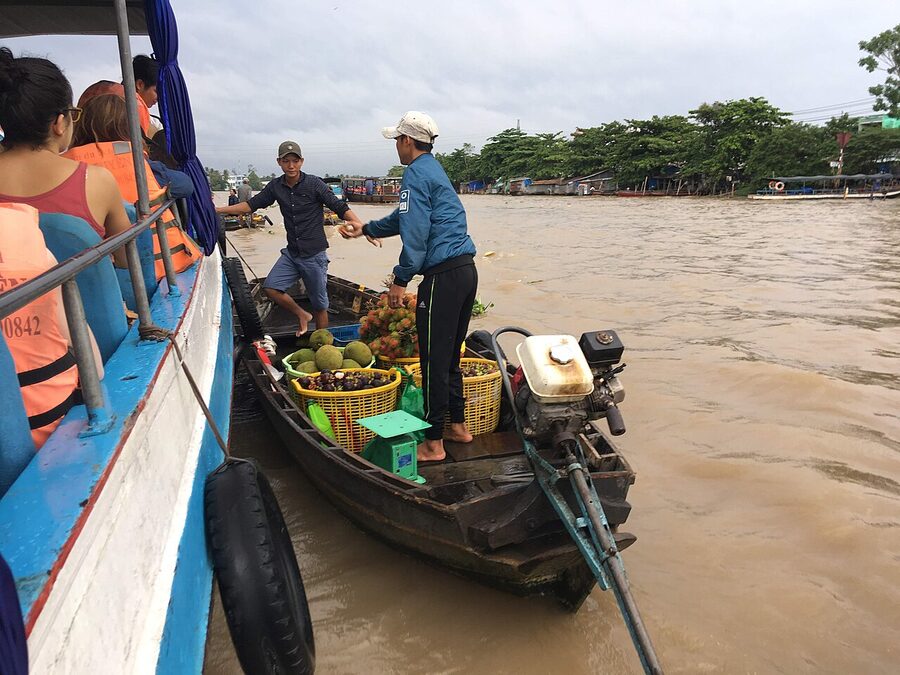
The trip that works is straightforward. Arrive in Can Tho in the late afternoon. Eat dinner along the riverfront on Hai Ba Trung Street. Sleep early. Wake at four-thirty. Be at the boat dock by five. The boat operators are at the dock in numbers; you can negotiate a private boat for around four hundred thousand dong (roughly fifteen US dollars) for two to three hours, or join a small shared boat for half that. The market is most active from five-thirty to seven; by eight it is winding down. Go on the boat. Take a coffee from one of the floating coffee vendors who pull alongside (the iced milk coffee is worth the slight queasiness of accepting a drink from a moving boat). Watch the wholesale trade, which is what the market actually is.

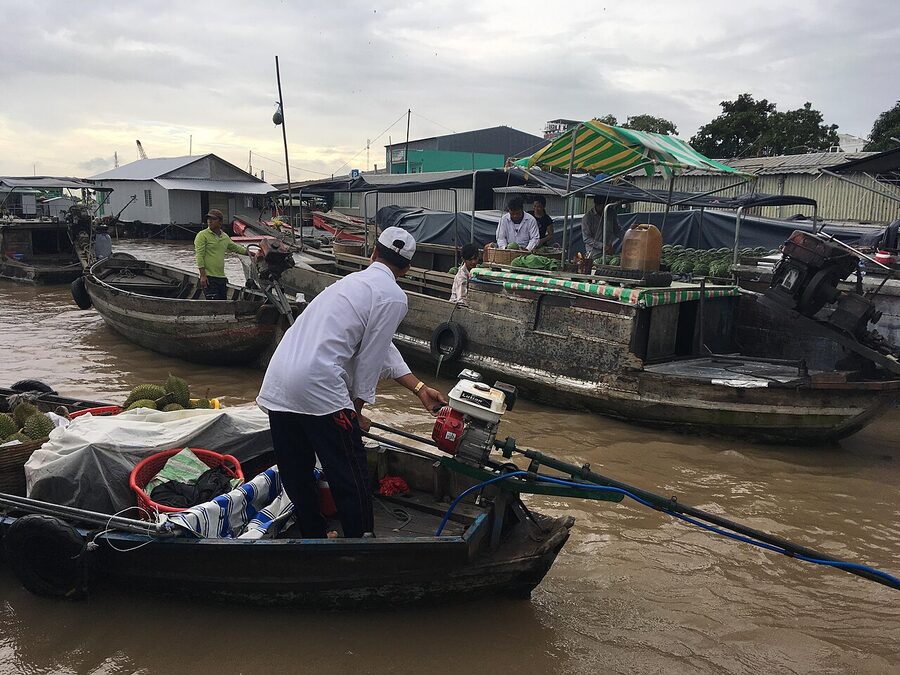
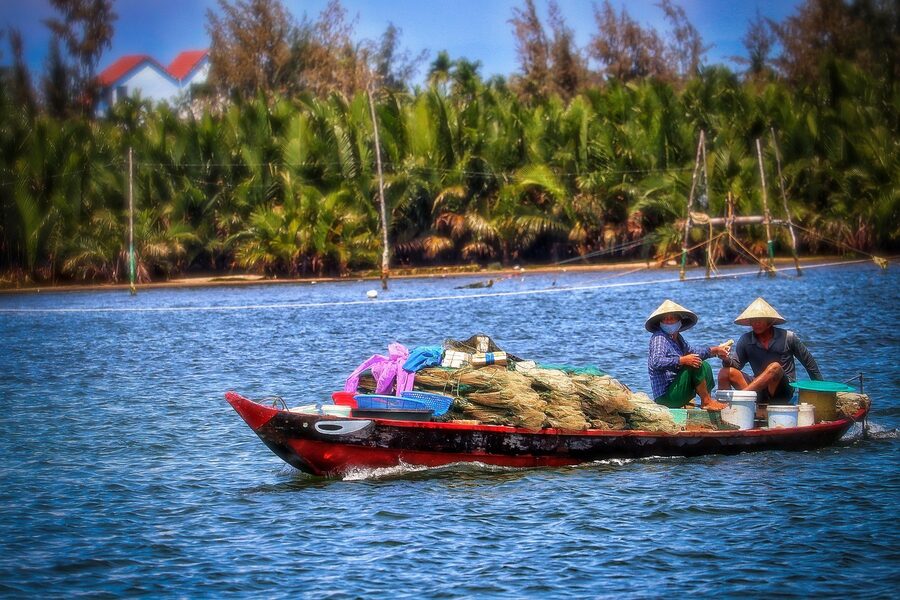
The market is wholesale, which is why it is real. The boats with bamboo poles flying samples of their produce above the deck (a watermelon strapped to a pole means watermelons are for sale on this boat) are working boats. The buyers are restaurant owners and smaller market traders. The fact that there are also tourists with cameras is incidental to what is happening. Cai Rang is where I tell people the floating market era still actually exists.
If you have the second morning, the smaller Phong Dien market about twenty kilometres further south is quieter, smaller, and more intimate. Many local guides say it is now more authentic than Cai Rang, which is fair. The trade-off is reach: Cai Rang is busier and the market itself is bigger.
Where to stay in Can Tho
Can Tho hotels cluster either along the Hai Ba Trung riverfront strip (where you want to be) or in the streets immediately behind it. For a trip built around the dawn boat at Ninh Kieu Pier, location matters more than star rating. The properties I would actually recommend, with current Booking.com pricing in late shoulder season:
Sheraton Can Tho (riverfront, around USD 50–80 a night, 9.3 / 10 on Booking). The most reliable upscale option, on the riverside near Ninh Kieu Pier, with a proper pool and a breakfast worth showing up for. Two minutes’ walk to the boat dock.
Vinpearl Hotel Can Tho (riverfront, similar price band). Bigger rooms than the Sheraton, full Hau River views, slightly less central. The pool deck is the city’s best.
Charmant Suites Boutique Hotel (300m from Ninh Kieu Pier, around USD 35–50 a night, 9.2 / 10). The boutique mid-range I keep recommending. Outdoor pool, well-run, walkable to the dock in five minutes.
LION 17 Hotel (central, around USD 15–22 a night, 9.6 / 10 across 311 reviews). The highest-rated 3-star in town. About a kilometre from the pier; five minutes by Grab motorbike, fifteen on foot. The pick if you would rather spend the saved money on the boat or a Phong Dien add-on.
LION 15 Hotel or ON Hotel (budget, USD 7–12 a night). Both are clean, air-conditioned, breakfast-included budget rooms in the central streets. Neither has any character; both work for a single Can Tho night.
Azerai Can Tho (USD 207 and up, on Cồn Ấu islet in the Hau River, reached by the resort’s complimentary boat shuttle from the city dock). This one is a different category of trip. Azerai is a destination resort with private villas, gardens, a tennis court, and an island setting; it is not the right base for a five-in-the-morning floating-market dispatch. Stay here if you want a luxury Mekong weekend with the dawn market arranged on the resort’s boat. Do not stay here if your priority is being five minutes’ walk from the public dock at 04:30.
Wherever you stay, ask the front desk to call the dock the night before and reserve either a private boat (around 350,000–400,000 VND for two to three hours) or a shared boat (around 150,000–200,000 VND per person). The price is the same as showing up at the pier in the morning; the conversation removes the only friction in the trip.

The Ben Tre version
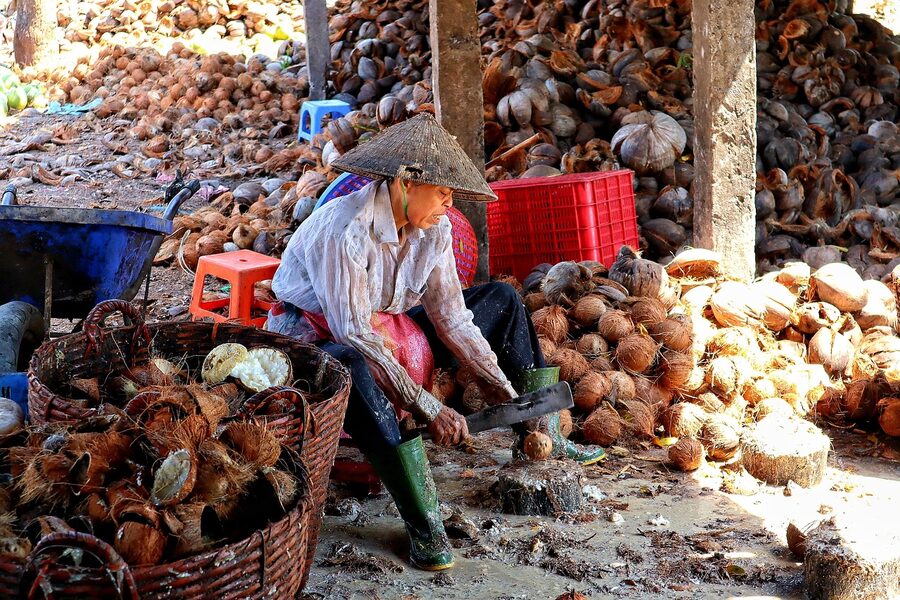
Ben Tre is the alternative if you want quiet rather than spectacle. Two hours from Saigon by car, it sits among coconut groves and small canals south-east of the main river. It does not have a floating market of its own, but it has the dense canal-web that is harder to find around Can Tho, and it has homestays that put you on the river itself rather than in a city hotel.
The version of the Delta that works at Ben Tre is the one you read about in the longer travel essays. Cycling along narrow paths between coconut palms. A two-hour sampan ride down a canal so narrow the palms touch overhead. Coconut-candy workshops that are old (Ben Tre is the centre of Vietnam’s coconut economy and the workshops actually produce things) rather than tourist-show. Fresh fish dinners on a homestay deck while the river slides past underneath.
The properties that anchor a real Ben Tre stay, with current Booking.com pricing:
Mekong Home (boutique lodge, around USD 55 a night). Riverside rooms, the kitchen cooks the regional fish dishes properly. The “splurge” option in town.
Quoc Phuong Riverside Homestay (around USD 18–22 a night). Bungalow-style stilt rooms on a Ben Tre canal. The host runs sampan tours of the smaller waterways and bundles one into the rate. The most popular budget homestay in the area for a reason.
Ben Tre Farm Stay (around USD 18–25 a night). Quieter than Quoc Phuong, with bicycles and a sampan included. The right pick if you want to cycle through the coconut groves rather than focus on the river.
Bamboo Riverside Boutique Hotel (around USD 40–50 a night). A 4-star property in the town itself with an outdoor pool; not a homestay but the “I want a hot shower” option.
Homestay Xóm Dừa Nước (around USD 20 a night). The “Nipa Palm Hamlet” homestay with a garden restaurant and six-hour Mekong day-tours arranged from the door.
The trade-off with Ben Tre is that the experiences are smaller-scale. There is no dawn-market spectacle. If you came specifically to see the floating market, base in Can Tho. If you came for atmosphere and quiet, base in Ben Tre.

The floating markets, sober view
The floating markets are the headline image of the Delta and they deserve a sober paragraph. They are real. They are also fading. Most of the wholesale trade has migrated to riverside warehouses with road access; only a few markets still see meaningful boat-to-boat commerce. The ones that work, in roughly descending order of how-real-they-are:
- Cai Rang (Can Tho): the largest, still genuinely wholesale, but with significant tourist boat traffic by mid-morning. Best at five-thirty to seven.
- Phong Dien (south of Can Tho): smaller, quieter, less touristed. Less spectacle, more authenticity.
- Cai Be (between Saigon and Vinh Long): largely a tourist-stop now. The wholesale boats have mostly moved to land-based markets. Skip unless it is on a tour you have already booked.
- Long Xuyen (further west): still working, off the main tourist circuit, harder to reach. Worth the effort if you have a third day.
If you find yourself at a floating market in the middle of the day with multiple tourist boats parked alongside boats selling souvenir hats, you are seeing the post-market: the wholesale trade ended hours earlier and what remains is a tourist hour. This is true at all the markets, not just the most famous one. The five-thirty rule is not a personal preference; it is the only time the markets are actually doing what they look like they are doing.
When to go
The Delta has two seasons. Dry season runs from December through April. Wet season runs from May through November. The two trips are different.
Dry-season Delta is the one in the brochures: the river runs lower and clearer, the canals are easier to navigate, the floating markets are at full strength, the temperatures are bearable. December through March is the absolute sweet spot for visiting and lines up with the wider Southeast Asia dry window I described in when to travel. April starts to heat up; the air-conditioning on the boats matters more than the boats.
Wet-season Delta is a different and less photographed proposition. The river is brown with silt and runs higher; some of the smaller canals flood; the markets thin out as the wholesale routes shift; the rains arrive in afternoon bursts that complicate boat itineraries. Locals will tell you wet season is more interesting because the water is closer to the houses and the rice harvest is in. They are right, but it is a tougher trip and the photos are mostly grey.
If you have a fixed wet-season trip and the Delta is on your list, do it but cut the day count and stay flexible. If you have any control over your dates, January through March is the right answer.


How to get there
From Saigon (Ho Chi Minh City) the four practical routes are:
Intercity bus. The cheapest and most common. Buses leave from Saigon’s Western Bus Station (Ben Xe Mien Tay) every hour or so to Can Tho, My Tho, Ben Tre, and most other Delta towns. Around three to four hours and roughly five US dollars. Companies like Phuong Trang (Futa Bus) are reliable and have the best frequency. Book ahead the day before, especially on weekends.
Private car or shared van. Faster (around three hours to Can Tho), more comfortable, and not much more expensive when split between two or three travellers. Hotels in Saigon will arrange a car for around forty to sixty US dollars to Can Tho. This is the option I usually take.
Group tour bus. A door-to-door tour pickup in Saigon, which is the same as the intercity bus but with the tour wrapped around it. Useful only if you are committed to the day-trip product anyway.
By boat from Cambodia. The slow boat down the river from Phnom Penh into Vietnam through the Vinh Xuong border crossing is one of the most pleasant overland routes in Southeast Asia, but it has become harder in recent years and many operators have ended their through-services. The route now usually involves a bus to the border, the crossing on foot, and a small boat or bus on the Vietnamese side. If you are coming from Cambodia and have two days, it is still worth the effort. From the Vietnamese side, the route runs in reverse to Phnom Penh.
What to eat
The Mekong has its own food culture and it is meaningfully different from the rest of Vietnam. Pho is northern; bun bo Hue is central; the Delta is about freshwater fish, fresh fruit, and the simpler southern dishes that grew up on a river plain.
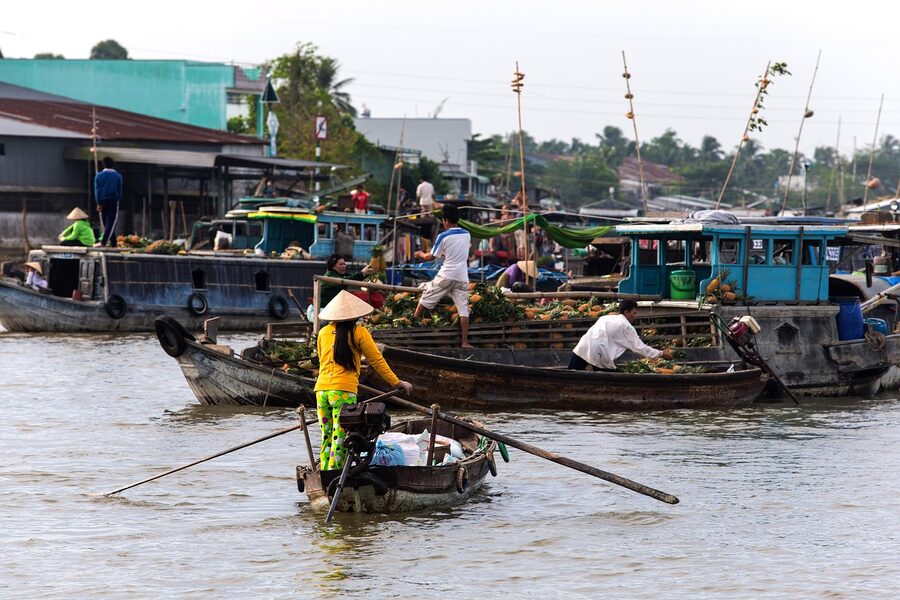
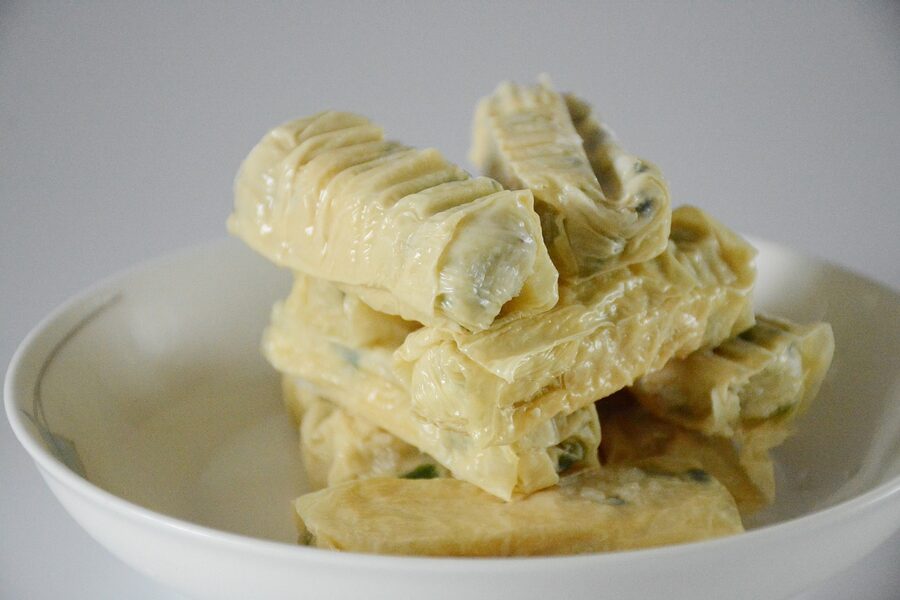
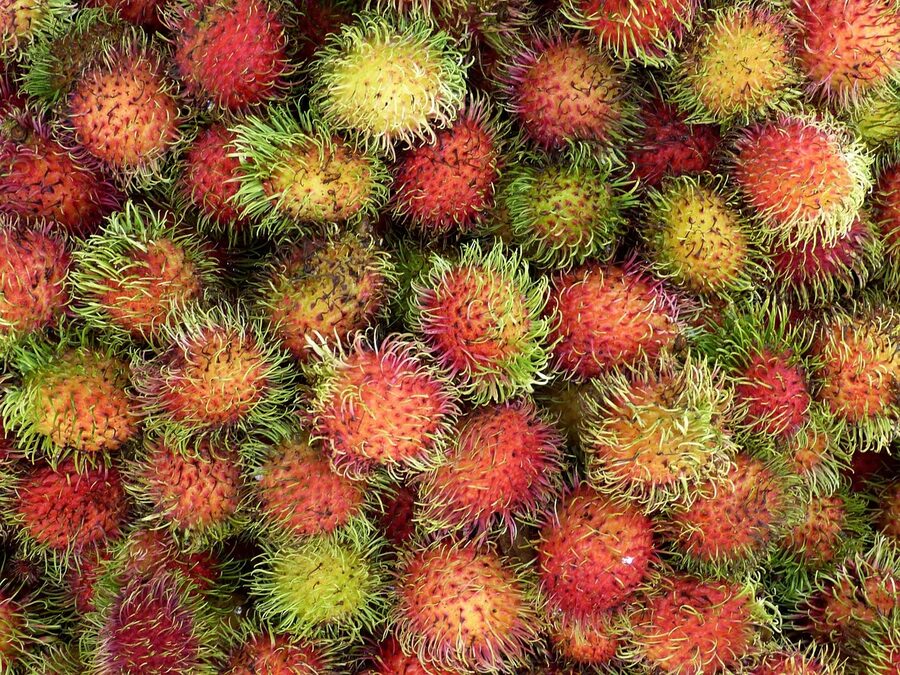
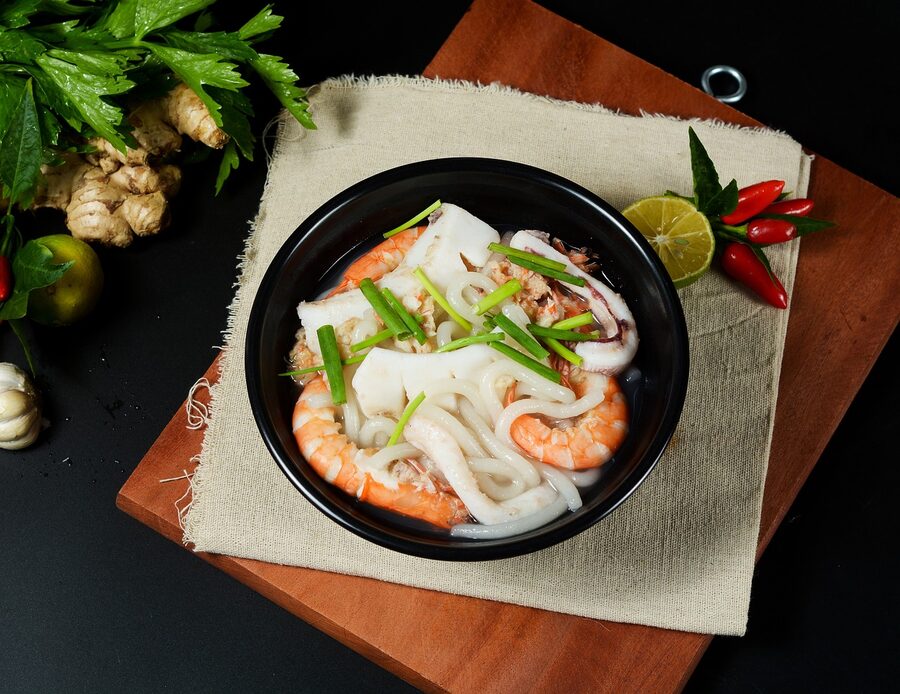
The dishes worth ordering: banh xeo (a turmeric-yellow rice-flour pancake stuffed with shrimp, pork and bean sprouts, eaten by tearing pieces and wrapping them in lettuce with herbs); com tam (broken rice with grilled pork, a southern Vietnamese staple done especially well in Saigon and the Delta); hu tieu Nam Vang (a Phnom Penh-style noodle soup that crossed the border with the Khmer Krom community and is now arguably better in Can Tho than in Phnom Penh); lau mam (a fermented-fish hot pot that smells alarming and tastes wonderful, mostly a Delta dish); fresh fruit (rambutan, mangosteen, longan, dragonfruit, durian for the brave; everything that grows is in season at some point and you should try it the day it appears at the market).

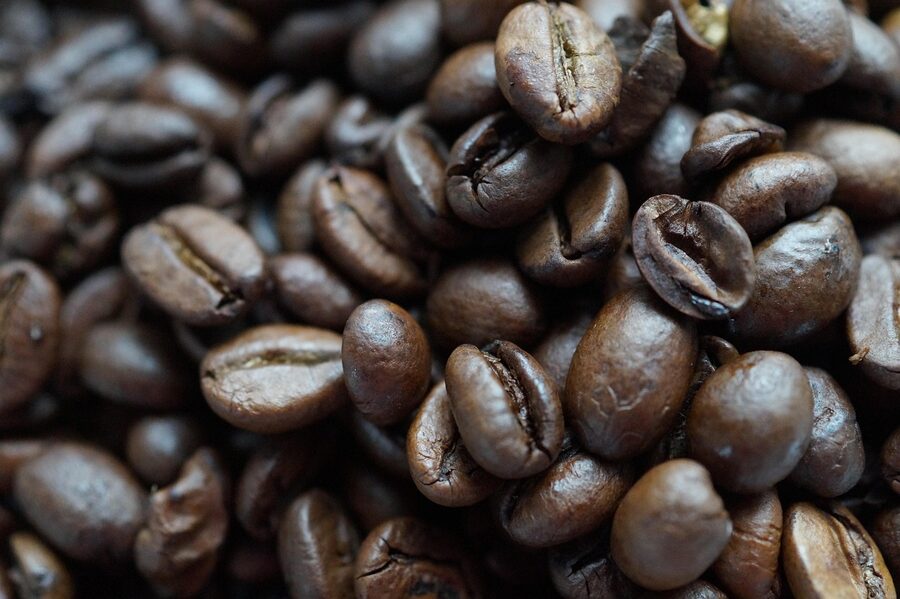
For drinks, the iced milk coffee (ca phe sua da) on a hot afternoon is non-negotiable. The river-bank cafes in Can Tho have it for around twenty thousand dong (less than a dollar). The local rice-husk wine, ruou de, is also widely available; my advice is to taste it but not to commit.
Costs and what to budget
The Mekong Delta is one of the cheapest places in Vietnam, which is itself one of the cheapest countries in Southeast Asia. Rough budget guidance for two people, per day, in 2026:
| Travel style | Per couple per day (USD) | What that buys |
|---|---|---|
| Backpacker | $35–55 | Guesthouse room, street-food meals, public transport, group boat tour |
| Mid-range | $80–120 | Three-star hotel, restaurant meals, private boat for the morning, taxi between towns |
| Comfort | $180–280 | Four- or five-star hotel, private guide and driver, premium homestay or river-cruise night |
The single biggest variable is whether you take a private boat for the floating market (around fifteen US dollars for two-three hours, sharply cheaper than the equivalent in Halong Bay or Hoi An) or a shared boat (about half that). Eating out is genuinely cheap: a full dinner for two at a riverside restaurant in Can Tho rarely exceeds twenty US dollars including drinks.
Tour or DIY?
Most travellers in the Delta are on a tour of some kind, but not all tours are the same. The hierarchy:
Group day-tour from Saigon. The cheapest option (around twenty to thirty US dollars per person), the worst experience, and the one most travellers default to. Avoid unless time-constrained, in which case insist on Can Tho.
Two-day group tour from Saigon. Better. Includes an overnight in Can Tho or Vinh Long, the dawn floating market, and usually a homestay night. Around eighty to one hundred and twenty US dollars per person. The Sinh Tourist and Saigontourist versions are reliable.
Private guided tour. Better still. A driver and English-speaking guide for two or three days, with hotels and meals booked. Around three hundred to five hundred US dollars per couple per day. Worth it if you are short on planning time.
DIY. Take the bus to Can Tho, book the boat at the dock at five in the morning, and find your way around. This is what I do. It is not difficult; the staff at any hotel will arrange the boat and the city is small enough to walk. The trip is meaningfully better when you do it yourself because you set the pace.
The middle option a lot of travellers settle on is a tailor-made tour: a planner builds the itinerary around your specific dates and interests rather than fitting you into a fixed schedule. For the Delta specifically the value is mostly in linking the trip to a wider Vietnam itinerary rather than in the Delta arrangements themselves, but if you are doing the country in two weeks it is often a sensible structure.
Where the Delta fits in a Vietnam itinerary
Most travellers who hit the Delta do it as part of a Vietnam loop that runs from Saigon in the south to Hanoi in the north (or vice versa) over two to three weeks. The Delta is the southernmost stop and works as either the opener or the closer.
If you fly into Saigon, the natural rhythm is two days in the city, two or three days in the Delta, and then the slow move north (Mui Ne, Da Lat, Nha Trang, Hoi An, Hue, Ninh Binh, Hanoi, Ha Long Bay). Doing the Delta first puts you in the most relaxed part of the country before you start the longer travel days northward, and the contrast with Saigon’s intensity sets up the rest of the trip.
If you fly into Hanoi, you do the country in reverse and the Delta becomes the wind-down. This works for travellers who like to end on something quieter; it does not work as well if your flight home is early on the morning after Saigon, because you cannot do the Delta properly without the early-morning hours.
The Delta also slots into a longer Southeast Asia overland route. Travellers who run the full Bangkok-to-Saigon corridor (Thailand → Cambodia → Vietnam) often do the Mekong on the Vietnam side after spending time in Phnom Penh and Siem Reap; travellers running south through the peninsula sometimes start in the Delta and continue back through Cambodia, Thailand, and the overland Thai-Malay border crossing down through Penang and Singapore. Either direction, the Delta sits cleanly inside the Southeast Asia dry-season window from late November through to March.

Practical tips
Five things that do not appear in most guides:
The boats with two large painted eyes on the prow are doing the same thing many fishing cultures across Asia and the Mediterranean have done: they are watching for what is in the water ahead. The eyes are not just decorative. There is an old story that the boat sees what the boatman cannot, and the eyes are watching for the river dragons. The wider-eyed boats are usually the cargo and fishing boats; tour boats often skip the eyes.
Mosquitoes in the Delta are constant from dusk through to early morning. Long sleeves on the boat after sunset, repellent every time you stop. Dengue is present in the region, more in the wet season. The CDC has up-to-date guidance.
The dawn boat is colder than you expect, even in March. The river surface is several degrees cooler than the air, and the wind on a moving boat at five in the morning is genuinely chilly. A light long-sleeved shirt makes the morning a different experience.
Plastic-bag rubbish is a serious issue along the smaller canals and you will see it. It is not the postcard. The local NGOs working on this need help, the local authorities are aware, and the Mekong does not get cleaner if visitors do not see it. Bring a reusable water bottle. Pack out what you can.
The Delta and the Cambodian Mekong feel related but the trip is meaningfully different on each side. If you have time on a longer Southeast Asia route, the upstream stretch through Cambodia and Laos is its own thing. Travellers who come into Vietnam from Cambodia frequently rate the river-crossing as the best part of their southern Vietnam leg.

The verdict
The Mekong Delta is one of the best parts of Vietnam if you give it the right hours. It is a tourist trap if you give it the wrong hours. The exact same river, the exact same towns, the exact same boats; what changes is whether you got there at five-thirty or at ten. Stay the night. Wake before dawn. Skip the cooking demonstration. The Delta will do the rest.


